How to Get in the Google Map 3-Pack: SEO Google Map Pack

The term “Google Map Pack” refers to the most prominent position in Google’s local search results, where businesses are listed and their locations are marked on a map with place marker icons. When consumers search online, Google Map Pack has become an important factor in determining where and what to buy. 

Ranking in the Google Map Pack is important for all businesses, but especially for small and local businesses. Consumers frequently disregard results that do not match their search parameters for a specific location. If the first search result for an enterprise business is a primary brand website, the likelihood of that link being clicked is low, hence why businesses nowadays make sure to land well on the local pack results.

Why Google Maps Pack Is Important?

Google Map Pack is a collection of three Google Maps-based results that appear frequently when users conduct local business searches. Users can see a business’s reviews and overall star rating, a brief business summary, the business address, hours, pricing information, and featured photos within the Map Pack. Map Pack links appear ahead of standard link-based search results. Because only the highest-ranked businesses appear in the Map Pack results, competition is fierce.

Google Local SEO Tips

Google local search is effective for small businesses. If your company isn’t optimized for local search, you could be missing out on potential customers in your area. In short, if you want your business to remain relevant, local SEO is essential.

You can search Google and type in “hairdresser near me” if you wanted to discover a hairdresser in your neighborhood. Similar to this, prospective customers will do the same when browsing for your plumbing, baking, legal, etc. services. Making your company visible on Google Local Search can therefore help you generate more leads and sales. 

But exactly how? Simple. through the use of local SEO. Or, as some people like to refer to it, Google Maps SEO. Making your company visible on Google Maps for specific keywords is part of Google Maps SEO. For instance, the results of a Google search for “Law firm spring valley NY” would be as follows. You can see a list of law firms together with the office locations on the map:

Why Worry About SEO for Google Maps?

Everyone is so concerned with ranking in Google’s regular everyday search that they frequently overlook the importance of other forms of search — even those within the Google ecosystem. But, surely, standard search is so dominant that other types are irrelevant? Google Map SEO requires time and can be frustrating to put up correctly, just like any other marketing attempt. Why bother, then? Well, the following intriguing data might catch your attention:

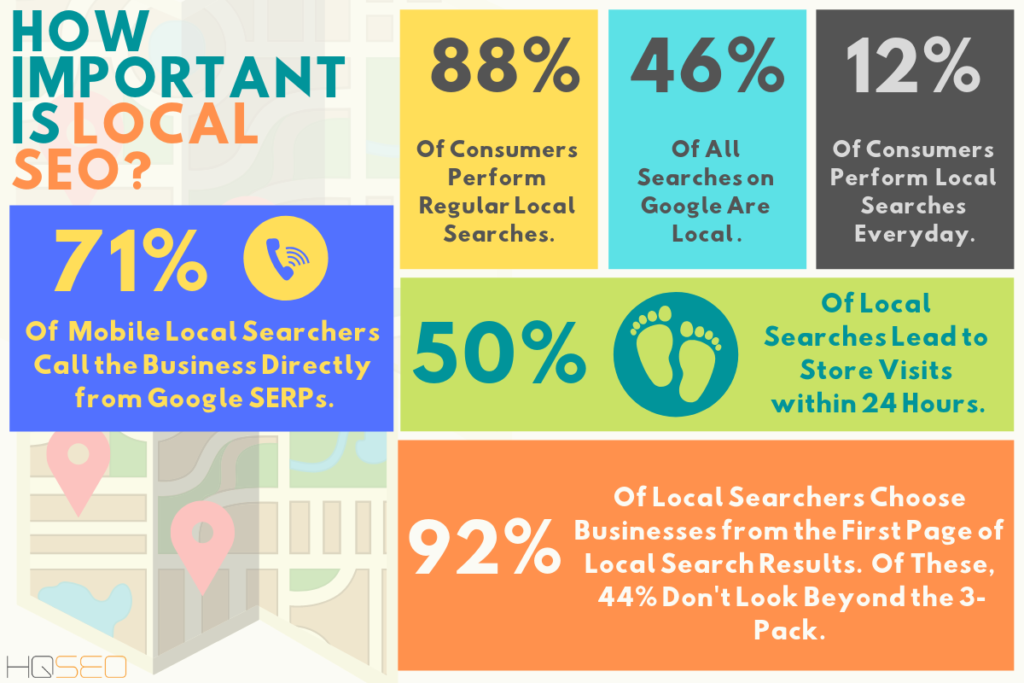
  • On mobile, 80% of local engine searches are converted;
  • To find local companies, 86% of customers utilize Google;
  • Geographically-based searches make up 46% of all Google searches.

 All of those, in our opinion, is sufficient to change your opinion of Google Map SEO for the better.

Have You Heard Map Pack Rankings?

In addition, Google has begun to include paid listings in map results, as well as star ratings and other information in the Map Packs. A detailed business listing opens when a user clicks through on one of the listings below the map. These business listings are part of Google Explore, which is a section of Google Maps.

Before Beginning Local Search Engine Ranking

Making a Google My Business Page Profile is the first stage in starting a Google Map SEO campaign. Don’t worry, making one is fairly basic and straightforward. Additionally, we’ve written a thorough tutorial that you can use to quickly set up yours. There are numerous things you can do to promote your startup company online when you are just getting started. Ranking your GMB in Google Map Pack can provide your startup with the necessary boost.

No, it does not. Other search forms can be extremely important, making this type of myopic approach extremely costly. While it’s critical to nail your long-tail keywords and optimize your on-page SEO, your ranking responsibility doesn’t end there. Local search, which primarily relies on map applications, is one area of search that requires your attention (usually Google Maps). Any brand that wishes to excel in a specific area would be foolish not to be concerned with when and how they appear in map searches.

Making and Improving a Google My Business Page

Google Business Profile is a free Google feature that assists business owners in managing their online presence across the search engine and its expanding portfolio of utilities, which includes Google Maps.

Google Business Profiles are used by seasoned SEO professionals to leverage a location-based strategy. The first stage toward local search success is to create a Google Business Profile. With good reason. For brands seeking local exposure, GBP has the most clout. A feature like Google’s Local Search highlights the importance of having a GBP for both new and established businesses. Additionally, bear in mind that Google bases local engine ranking on three primary signals:

  • Distance: Your chances of ranking first are better the closer your company is to the city center where you want to be found.
  • Significance: Google makes an effort to match users’ queries with the most relevant results. This is why it’s crucial to provide as much detail about your company as feasible.
  • Prominence: On Google Searches, establishments with a longer track record and a better reputation appear first.

10 Google Maps SEO Tips to Rank High on Engine Search Map

You must optimize your Google Business Profile to get the most out of it and perform excellent Google My Business ranking. Here are a few quick and easy ways to accomplish this. Ideally, your Google My Business profile is now operational. Here are some suggestions and tips to increase Google’s  local pack visibility.

Tip 1: Make sure your Google My Business information is accurate and current.

Make sure the information you enter about your company is accurate and up to date when creating a GMB profile. Using incorrect or out-of-date information can reduce your internet presence. Make sure that the information on all of your online profiles is consistent. For instance, the contact information on your website and social network handles should correspond to your GMB profile.

Tip 2: Confirm your company’s physical address.

Without confirming your location, you can create your GMB profile. During the initial setup procedure, Google lets you bypass that process. To display on Google Map, your company location must still be verified. Google frequently achieves this by mailing a postcard to your actual address that contains your verification code. Google may permit you to authenticate your business using additional methods, such as a phone call, video call, or email, depending on the nature of your enterprise.

Tip 3: Include your target keywords in a detailed business description.

Relevance is one of the ranking elements Google employs to decide which local content to display to searchers, as was previously mentioned. As a result, including a thorough description that incorporates your desired keywords will significantly increase your exposure to local engine searches. Log into your GMB account and click the Add description option as follows to add a description to your profile: 

You might even go a step further and include the hours when your company is open and closed. Why is this crucial? Google will check to determine if you are open or closed for business at the time of the search before displaying results to users. Your chances of ranking highly will significantly rise if you are open.

Tip 4. Post and pack some pictures.

Did you realize that pictures are one of the ways searches might locate your company? According to statistics, one-third of all Google queries are image-related. If you aren’t including photographs in your GMB profile, you are undoubtedly losing out on a lot of money. Thankfully, adding photographs to your GMB profile is simple and only requires a few clicks. If you like, you could even include a video. Just make sure the images and videos you provide accurately represent your company and are relatable. The more images you include, the higher chance you have of being found.

Tip 5. Post frequently.

There are many advantages to posting frequently on your Google Business Profile. First off, it informs Google that your company is open for business, which improves local search exposure. Additionally, posting articles that contain your goal keywords might help you rank better for local SEO services. Additionally, updating your business profile can help increase client involvement and, as a result, raise brand awareness. You have the opportunity to inform your clients about brand-new products, special deals, events, and updates that you believe they will find beneficial. Without having to worry about it, Google lets you insert photographs into your article. The best part is that you may increase traffic and conversion by including a CTA button in your content. And it’s simple to accomplish.

Tip 6: Utilize reviews to increase the credibility.

Every connection, including those in business, is held together by trust. And what other means of establishing credibility and trust for your company exist than reviews? According to a Brightlocal survey, 87 percent of web users will examine evaluations of nearby businesses before making any purchases in 2020. Therefore, you must take review building seriously if you want to see any relevant ranking on Google Map.

And respectfully requesting feedback is the greatest way to start receiving them. As long as you don’t give your consumers any sort of incentive for doing so, Google itself advises urging them to submit reviews. But keep in mind that more isn’t always better. Even if your profile has 100 ratings, that doesn’t guarantee you’ll rank higher than your rivals. A few of the variables Google looks at before determining how to rank your profile include the quality of the material and star ratings.

Tip 7. Run advertisements on occasion.

The topic of this article is designed to be organic SEO business growth. So, why do people run advertisements? Here’s the issue, though. Running paid advertisements on Google Maps will increase the visibility of your company. Additionally, the more interactions it has with clients, the more evaluations it will receive as a result of its increased visibility. Those reviews won’t disappear when your advertisement eventually ends. Reviews are also significant ranking criteria that Google takes seriously, as was already mentioned. Ultimately, you still triumph.

Tip 8: Increase your website’s links.

People that locate your company on Google Maps are probably interested in learning more and visiting your website. You will increase internet traffic and lead generation for your company by doing this. Say you don’t have a website. What then? It’s no trouble! Google offers a simple and user-friendly out-of-the-box web development option. There are numerous themes included that you may utilize to jump-start your web design process. Click the Website link from your GMB account to visit it.

Tip 9: Engage in social media activity.

One of the ranking elements Google takes into account when deciding where to rank websites on search result pages is social signals. If your website receives a lot of likes, shares, and engagement on social networking platforms like Facebook, Twitter, etc., this will be a powerful indicator. Your listing on Google Maps would be more noticeable if the signals from your pages were stronger. Start promoting your business on social media if you haven’t already.

Tip 10: Build backlinks locally to improve your ranking.

Building local backlinks is an essential component of local search marketing. Backlinks are just links from another website referring to your website. When a reputable website links to yours, Google is informed that your website is trustworthy and so deserves to be placed higher. Your ranking may be improved by constructing backlinks to your business profile.

There are a few approaches you can take. One is contacting nearby directories of businesses that are relevant to your industry and asking them to list your company’s name, address, and phone number. Making the same connections with regional news media is an alternative strategy.

FAQs?

The Google map 3-pack: What is it? On the search result page when you conduct a local intent search using terms like “near me” or “in [my city],” you will see the top 3 listings. For instance, if you look up “coffee shop Springfield,” you will find the following:

The top three listings you view are referred to as a “3-pack.” How can Google Maps locate me? Making a Google My Business profile and enhancing it for local ranking is the first step to being found on Google Maps.

Pack Your Success with Mach1Design

Increasing the visibility of your company on Google Map Pack will significantly boost revenue, leads, and tips for your company. You may improve your company’s rating on local searches on Google local map pack by implementing the ten suggestions provided here. Want assistance with conversion-focused website optimization? Call or e-mail [email protected] at 469-536-8478.

Dealing with Multiple Stakeholders in B2B Enterprise Sales Decision-Making

Selling to other businesses is difficult, and the best practices and trade secrets differ from those used for business-to-consumer (B2C) sales. This is because B2B or enterprise sales are typically multi-step processes involving multiple reps and teams. Each of these steps, whether via email, phone call, or video conference, provides information that can help reps improve and close more deals.

Insights from B2B sales conversations can help improve your bottom line, whether your sales or business development representatives are doing cold outreach or playing a role in the decision-making phases of the sales funnel. Are your sales practices, however, as effective as they could be? What distinguishes your top-performing agents? And how is that knowledge disseminated throughout the sales call center?

B2B Enterprise Nowadays

If it seems like B2B enterprise sales are becoming more complex, that’s because they are. Just two years ago, there was an average of five stakeholders in the room for most enterprise sales decisions. Today, the number has ballooned to seven stakeholder personae. Think about that: Seven different agendas, communication styles, priorities, and pain points—and unless they all align on your solution, the deal’s DOA. Of course, research shows that as B2B buying committees grow in size, so too does their propensity to say “no.” Little wonder, then, that CSO Insights found that for the seventh straight year, fewer sellers than ever are hitting their quotas. 

B2B buying process decisions can be more mission-critical and risky than B2C purchases. Organizations approach purchasing products and services differently than consumers do in order to reduce the risk of making the wrong decision. As a result, B2B purchases frequently involve multiple stakeholders and stages.

Seven Personas Presented

Finding and contacting all of the people and planners involved in a purchase decision is frequently more difficult than it appears. Job titles differ greatly between organizations. You may also discover that your contacts don’t anticipate all of the people who need to be involved in a large-scale purchase, or that they aren’t used to speaking directly with sales teams. To make matters even more complicated, some departments do not understand the role of other departments and thus misjudge when to bring their colleagues into the conversation.

Rather than relying on faulty information and a single point of contact within an organization, you can drive the process forward by taking the initiative and bringing all event planning stakeholders together. You will be able to chart and understand complex stakeholder landscapes within any organization with the right mix of tact, appropriate qualifying questions, and careful listening. With the stakes so high, you need to understand what makes these “magnificent seven” tick. We’ll break down the seven personas you’re likely to encounter in your next pitch, and we’ll show you how to take a more strategic approach to communicate with each. 

1. The Advocate

Everything begins with your Advocate, your first point of contact in the sales cycle. She’s the person you’re closest to at your prospect’s company, the one whose trust you’ve earned through relationship building. She’s the reason you’ve gotten this meeting in the first place, and you need to capitalize on the bond you’ve carefully cultivated. As a result, your strategy—and preparation—begins with your Advocate. First, conduct some reconnaissance with her around the meeting invitation itself, but keep in mind that who attends the meeting is far less important than why they are there. Rather than simply collecting their titles and crawling their LinkedIn profiles, ask your Advocate to provide insight into each person’s role in the deal, their priorities, and any potential objections they may have. This should provide you with granular insights that org charts cannot provide.

Your Strategy: Make Her Shine

Only your Advocate is invested in your success out of the seven stakeholder personas in the room, so take advantage of that. Help her help you by anticipating common objections and procurement headaches and arming her with the information she can use to champion your product internally. One-pagers, case studies, and even infographics can assist your Advocate in selling your solution to the remaining six people involved. But keep in mind that your Advocate is responsible for everyone else’s time—and wasting it is the worst thing you can do. You must be polished, thoughtful, and well-prepared. If you make her look less than brilliant for bringing you in, you’ll lose your only lifeline to this prospect.

2. The Skeptic

Every pitch meeting has a member who is both engaged and combative. These are the characteristics of the Skeptic. He’s got an ax to grind, and he’s not interested in what you’re saying or what your solution can offer. The Skeptic is a frequent flier in IT deals, most likely because the vast majority of IT professionals prefer “a salesperson who understands my specific problem and matches a solution.” This means you should listen more than you talk, and no matter how much research you do ahead of time, he won’t buy what you’re selling unless you first let him tell you about the organization’s problems and priorities.

Your Strategy: Let Him, Vent

Your Advocate should be able to spot the Skeptic ahead of time, but if she can’t, you won’t have to look far to find him. He’ll be the one who objects frequently and loudly. When this occurs, engage him directly. Allow him time to share his difficulties, but keep control of the conversation by asking pointed questions. Avoid open-ended questions that lead to lengthy responses. And don’t ever, ever challenge him.  So patiently listen to him out and offer to provide case studies after the meeting. It’s your only safe bet for preventing the Skeptic from poisoning the meeting.

3. The Gatekeeper

The gatekeeper stakeholder persona is typically found in technology, security, or procurement. She’ll come to the meeting prepared to listen carefully, but she’ll also have some very specific questions for you to answer. Can’t or won’t? The meeting will most likely fail quickly. Of course, you should have already identified the majority of these questions during your planning conversation with your Advocate. At the same time, given the wide range of potential objections that the Gatekeeper may have—everything from data security to compliance, ease of implementation, storage performance, integration, and so much more—critical it to zero in on the most important concerns. Finally, while these may not be the most exciting questions you get to answer, you must do so clearly and persuasively. Your next closed-won deal is on the line.

Your Strategy: Tech Talks to Tech

Because the majority of buyers rate their most recent purchase as “very complex or difficult,” you should simplify the story you tell as much as possible. Of course, technical details are important, but they are only one part of the picture. You only get to have an hour to present your situation. That’s why bringing your sales engineer or technical account manager to this crucial meeting is a good idea.

4. The Influencer

Despite being a relatively junior stakeholder, the Influencer wields considerable power within the purchasing committee. This is most likely an internal subject matter expert. She is a millennial, and the senior-most decision-maker looks to her for advice on purchasing decisions. As a result, her input frequently wins the day. However, this is another area where you can collaborate closely with your Advocate to gain an advantage. To begin, you should attempt to piece together a hierarchy of influence. Who has the most influence over outcomes? The answer may not be who you think it is, and this can have a significant impact on your chances of success.

Your Strategy: Give Her the Spotlight

Remember that the role of the Influencer is often at least as important as that of the senior-most leader, such as the CIO, CMO, or another chief executive. According to one study, only 13% of millennials are decision-makers on purchasing committees, with the rest serving as researchers, project managers, or influencers. And, given that 59 percent of millennials prefer to start researching a product before engaging with a seller, your best chance is to engage her by asking how she perceives your solution in comparison to your competitors. This gives her a chance to shine and show off all of her hard work. If you can give an influencer a win in front of her boss while also demonstrating your appreciation for her contribution, she’ll be much more likely to warm to your pitch—and less likely to derail the deal later on.

5. The Decision-Maker

Top-level C-suite stakeholders, such as CIOs, CTOs, and CMOS, are likely decision-makers. She will be more concerned with ROI than any other stakeholder. So keep case studies on hand and be prepared to discuss them in depth, including obstacles you’ve helped customers overcome and factors that ultimately led to success. When you connect that to ROI, you’re speaking the right language. That is why it is best to be upfront about pricing from the start. Almost half of the buyers prefer to discuss pricing up front, you must come prepared with transparent pricing—and be prepared to answer questions. Because there will be inquiries.

Your Strategy: All About Sale ROI and Relationships

Case studies are your best friend in this situation. It is critical to demonstrate that your solution provides measurable value to similar companies, not just big names. If pricing becomes an issue, consider providing a discount or a proof of concept. This type of gesture should be viewed as low-hanging fruit, especially given the potential benefits of a long-term partnership.

6. The Wildcard

Even if your Advocate has given you a fairly thorough read on everyone in the room, there’s always the Wild Card. He was added to the invite at the last minute, so you don’t have time to learn about him and how he fits into the larger purchasing picture.

Your Strategy: Listen and Learn

If his opinion is important enough to your Advocate that she disrupted his day to bring him in, it should be important to you as well. Fortunately, you should be able to glean at least his title and department from the first round of introductions, which will provide you with some context for why he’s in the room. Compliance? He’ll be concerned about risk and regulation. Procurement? The top priorities are cost and integration. These are probably safe assumptions but engage him directly to gain certainty. Inquire about his main concerns about your product, and give him time to express them. Build comfort and trust by mimicking his demeanor and communication style.

7. The Checked-Out

There’s always one person in the room who is multitasking, staring out the window, or swiping on Tinder. This is the stakeholder who has checked out. He’s not interested in what you’re selling, but he was invited for a reason, which you must discover. The Checked-Out may wield some power, but he’s more likely a representative of a dependent department or function who is simply ensuring that your solution checks off a required box.

Your Strategy: Don’t Engage

You only have an hour, and if swiping right is more important to him than making a major purchase, don’t waste it. Focus on more important stakeholders for the time being, because you can always share more information with him later—and if your Advocate has given you a clear picture of why he’s there, you should know what that information is. However, he is a low-influence and low-engagement stakeholder, so don’t waste too much time on him.

Stakeholder Persona Executive Summary

Today’s enterprise buying committees usually involve seven stakeholder personas—and they’ll all need to align on your solution. We’ve broken down the seven stakeholder persona you’re likely to encounter in any enterprise sales meeting and give you a plan to communicate with them strategically.  Get more insights into the buyer perspective with our playbook:

Bottom of Form

4 Tips for Selling the Whole Room

According to 2016 data, there are an average of 6.8 stakeholders involved in most B2B purchase decisions. That means that at any given time, we have to convince five or six people besides our primary sales contact of the value of our proposition, or else the deal could fall flat. And even if we manage to secure one or two brand champions within a buyer organization, there are always other “off-radar” stakeholders who could easily undermine those relationships because of competing interests.

In other words, if we want to be successful in this brave new world of relationship sales, we have to broaden our vision of just who it is we’re selling to in the first place. If we aren’t prepared to sell to multiple parties from the outset — even in seemingly straightforward sales scenarios — then we face longer decision-making processes that cost us more to pursue. We end up with implementation delays that make it harder for us to get down to actual results, which may impact customer satisfaction and reduce referrals. Worse, we inadvertently contribute to an unfavorably convoluted customer purchasing process that, in the end, is more likely to yield a “no” or “maybe later” decision.

Decision fatigue is real. That’s why our sales must approach convince people at many different levels of decision-making power of the value of our product — quickly and efficiently. Here are some proactive strategies that can help us do just that:

Tip 1: Build multiple relationships — even with people who don’t seem particularly important.

You never know which sales relationship will unlock an opportunity, nor is it always apparent which brand champion is likely to be the one that tips the scales in our favor against competitors. While it certainly isn’t prudent for us to actively court an entire buyer organization with every sale, it behooves us to become acquainted with the jobs and interests of as many parties to the deal as possible, and it is recommended to build relationships as possible.

This, after all, is the best way to learn and apply the real pain points each stakeholder’s faces. Perhaps the customer service manager prefers our solution because it enables more detailed reporting, but individual account managers worry that our solution will make their jobs more difficult by requiring them to spend more time on data entry. Getting to know people at both levels of impact enables us to anticipate and address potential objections before they’re raised and highlight features that might otherwise go under-appreciated.

Tip 2: Map stakeholder influence on sales, customers, and the company.

This proceeds naturally from the previous model strategy. By courting multiple relationships, we gain a much better idea of how our solution will impact the day-to-day work routines of the persons across the organization — and we gain insight into whose influence matters most to those responsible for making the final decision. Often, executive managers lean on lower-level operations personnel for insight into what will make their jobs easier. We want to know if the sales manager championing our product is being undercut by an IT manager skeptical of compatibility with existing hardware or a warehouse manager reluctant to retrain her order pullers on a new system.

There might even be individuals somewhere in the organization who have had negative experiences with our company in the past; we’ll never know unless we have our ears to the ground. It helps to map stakeholder influence by asking the right questions during the relationship-building process:

  • How do you normally decide how to prioritize your needs in a situation like this?
  • Who would typically have the final say in which system you go with?
  • Which employees would be most impacted by a change in software?
  • What does your decision-making process look like from here?
  • Do you anticipate any objections to implementation from your partners?
  • Who would you recommend I talk to better understand how our product would affect your daily operations?

These and other open-ended questions are designed to elicit clues about who besides the person we’re already talking to we might need to make it a point to get to know. Perhaps we’ll learn that the purchasing agent has to approve the deal and will likely be influenced from above by her superior in accounting. Wouldn’t it help for us to arm our contacts with key information about things that might “grease the wheels” on the financial logistics? Perhaps we could mention cost-saving facets of our proposal, such as free technical support and implementation oversight. Or perhaps we can highlight how our software seamlessly integrates with the accounting or ERP software the customer is already using.

Once we know who our key influencers are, we can better strategize our efforts to remove roadblocks and position brand champions to persuade others within the organization to opt for our solution over other competitive offerings. But that brings us to our next point.

Tip 3: Visualize your sales value — and make it shareable.

If we’re going to equip our businesses and champions to do this work for us, we have to find ways to help them do that efficiently — in a way that communicates a consistent message about what makes our product compelling. That probably means we should find creative and visually compelling ways to summarize the most salient selling points of our solution in easily digested, “take-with-you” formats. Your more technically competent leads might appreciate a good white paper detailing how your solution works, the principles underlying its approach, and best practices for organizations considering an implementation. But a C-suite executive isn’t going to have time to pore over 20 pages of dense content. We’d better have a winsome executive summary ready to go — one that makes copious use of bullets, subheadings, and graphical representations of how our product stacks up against the competition.

We do well, too, to make every sales contact an inroad to persuading other members of their organizations. Let’s say that our solution gets its leading edge from technical facets that aren’t easily explained in a ten-minute sales pitch, particularly to more lay-level audiences. Wouldn’t it be nice to be able to conclude that pitch by offering a branded thumb drive with several short video clips demonstrating how these features work? What if we were able to also leave a few half-page, full-color fliers showing in a side-by-side comparison of technical features our solution includes relative to other competitive offerings in the same price range?

Remember, we are talking today and might not need the information. They may already be sold. But when it comes time for them to introduce our solution up the flagpole or across departmental boundaries, having easy access to these resources can overcome a lot of friction and answer a lot of questions our contacts never thought to ask.

Tip 4: Go above and beyond, not just through sales.

Obviously, in a situation where multiple decision makers are involved, businesses need to have a more flexible, adaptive sales approach than we might in situations where we’re working with the top decision-maker from day one. That’s why we want to differentiate ourselves by demonstrating a keen sign of awareness of our prospective buyers’ business organizations.

We need to be prepared to meet different and multiple times, proactively follow up on questions that may or may not come to us directly, and engage a broader team of voices within our organizations. We might need, for instance, to arrange a follow-up meeting between technical teams to “talk shop” about the finer details of systems compatibility and implementation hiccups. We might need to offer to make a second presentation (or a third or fourth presentation) of the same information — to the same people — just so that a vital decision-maker who wasn’t present before can hear the information this time.

Whatever it takes, so long as the potential sale warrants the investment, we need to be ready to accommodate. After all, if we want to sell the room, we have to be willing to work the room first. If we’ve done our homework, accurately mapped the prospect’s buying process and key influencers, and prepared some snazzy sales media engineered to appeal to stakeholders across the organization, then we’re well on our way.

Influence Decisions on Sales and Purchase Data Content with Experts

Your enterprise customers will notice you’re small; simply be honest and solicit a lot of feedback. Speak with them frequently and inquire about ways to improve, iterate internally, and identify champions. Champions are great because they generate net-negative churn, but they also help small businesses win more, win bigger, and win with a shorter deal cycle. I’d recommend communicating with your larger clients monthly for the first year, then quarterly after their initial renewal date.

All of this can be digested and turned into a process for future sales representatives selling to larger organizations, not just in the enterprise but also in the mid-market. These points should provide a few small quick wins with your current efforts and help you scale B2B sales quickly. Selling to enterprise customers is difficult, but practice makes perfect. Putting their logos on your website will not only make you feel good, but it will also help you get more of them.

By contacting Mach1Design for professional assistance, we can provide tips and suggestions for improving your organization’s decision-making process. Contact us at 469-536-8478 or [email protected] today.

How To Generate More Leads and Get More Sales?

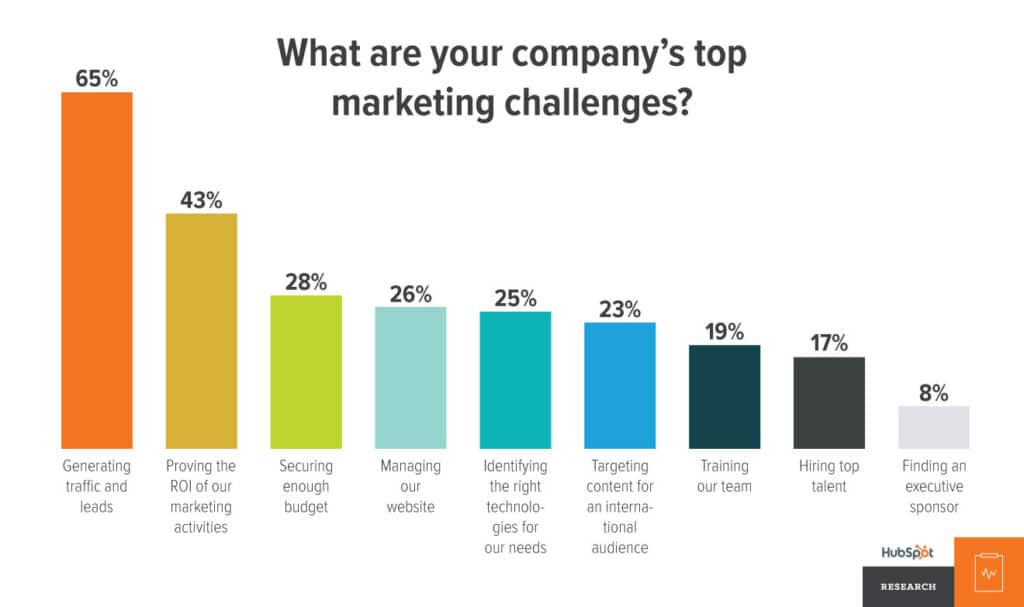
In today’s stiff marketing competition the question for businesses is: how to generate more leads? In many aspects, a sale is a matter of chance, and many people struggle with generating leads. Figuring out how to produce prospects can be difficult, but it doesn’t have to be if you create your luck and adhere to tried-and-true best practices. In reality, sales require more talent than luck, especially when using proven lead generation tactics.  Obtaining leads is one of the primary goals of any organization. Companies devote significant efforts to lead generation. The truth is that if your prospects aren’t ready to buy what you’re offering, it will be difficult to close transactions.

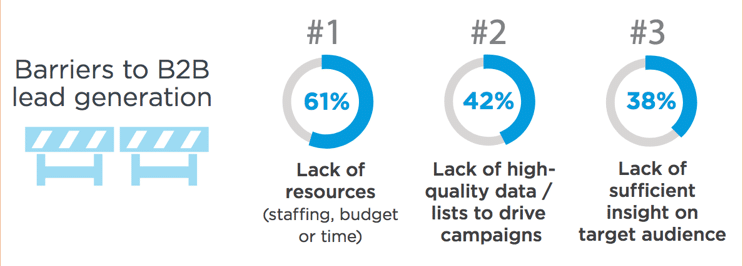
Prospects who are interested in your product or service and are in the market to buy are considered good prospects. These high-quality leads can help businesses increase sales and ROI. When it comes to leads, however, many businesses continue to prioritize numbers above quality. Marketers may fine-tune their expertise in getting high-quality leads thanks to the emergence of current marketing tools, software, and social media platforms. The biggest difficulty is choosing which of your prospects is of excellent quality and ready to purchase.

What is a Lead?

A lead is defined as anyone who expresses an interest in a company’s product or service in any way, shape, or form. Leads are more likely to hear from a company or organization after initiating the contact (by providing personal information for an offer, trial, or subscription) rather than receiving a cold call from someone who purchased their contact information. Leads are part of the larger life cycle that consumers go through as they go from visitor to customer. All prospects are not created equal and there are various types of leads dependent on how they are qualified and where they are in the life cycle.

What is Sales Lead Generation?

Marketers may fine-tune their expertise in getting high-quality prospects thanks to the emergence of current marketing tools, software, and social media platforms. The biggest difficulty is choosing which of your prospects is of excellent quality and ready to purchase. Sales lead generation refers to the process of attracting prospects and converting them into people interested in your company’s products and services. Modern brands employ a variety of lead-generating tactics, including:

  • Blogging
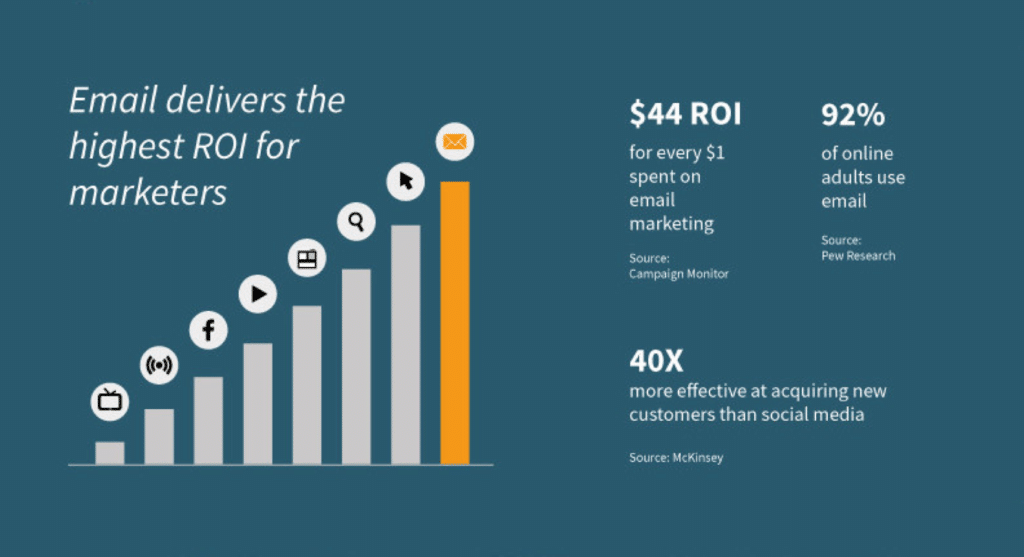
  • Email marketing and promotion
  • Social media marketing
  • Networking
  • Coupons
  • Seminars and live events
  • Landing page

These are just a few ideas for attracting potential buyers to your goods or offer. Because lead generation tactics vary by industry, most businesses choose to stick to what works best for them. Email marketing and social media marketing through influencer people for lead generation may be effective for online fashion businesses, but they may not be effective for software product companies. People seeking software may demand more knowledge and facts about the product, which is why a blog or a series of webinars may be more effective lead generation techniques.

Why is it Important to Generate Leads?

When someone expresses intent in your brand’s products or services, the actions customers take to make their first purchase appear natural. You just assisted them in meeting a need or resolving an issue. When a person has no curiosity about what you have to offer but you still try to persuade them to buy, they may feel pressured to spend their money. This can make customers feel compelled to purchase your product, which can harm your brand’s reputation.

Only by addressing your target demographic through lead generation can you make and ensure that your brand is well matched with the correct clients. Other advantages of lead creation include:

  • Targeting the proper clients allows businesses to form and focus their resources on certain areas, which saves money and enhances sales (improved ROI).
  • Lead generation can help to form and increase brand recognition and reputation. When consumers become aware of your brand, you will be able to provide them with more information about product features and benefits.
  • Lead generation can obtain valuable marketing information from prospects. Customer information such as requirements wants, and preferences can help you modify your product or service to meet the needs of your customers. Eg. Companies can get this information by filling out registration forms.
  • Businesses can make and create larger groups of like-minded customers, which can increase customer loyalty.

When determining a successful lead generation campaign, most marketing teams look at lead quantity. Sales teams, on the other hand, are concerned with lead quality. Quality leads are those who have a strong desire to buy your goods, have the financial means to do so, and meet the conditions you set. When a company prioritizes lead quality, the odds of converting a lead into a customer skyrocket. Higher conversion rates will allow you to invest in quality prospects with confidence, enhancing your return on investment (ROI).  

Concentrating on high-quality leads has the potential to boost the rate of new customer acquisition. Having a high rate of new consumers will allow you to swiftly build a loyal customer base. This can also enhance your ROI in the long run, because the faster you expand your customer base, the sooner you can retarget new and existing customers. Focusing on quality leads can significantly enhance conversion rates and ROI. Quality leads, however, have a few limitations. For example, a sales staff that concentrates entirely on quality prospects may disregard other responsibilities such as after-sales calls or product delivery. 

Investing time and money in excellent leads is a risk that salespeople must accept. A good lead might still back out at the last minute. You won’t just lose the business, but you’ll also lose all of the time and effort you put into convincing the lead to buy your product. Lead quality is often established after reviewing a list of leads obtained through a lead-generating effort. The majority of campaigns will prioritize lead quantity. As a result, marketers and sales teams will still have to sort through all prospects to identify which ones are good.

Lead Generation Process

How to generate leads? While the sales lead generation process will differ based on the business, the following is how the process works from start to finish:

Conduct Market Research

Understanding your target demographic is the first step in developing efficient lead-generation techniques. Who are your clients? Who are the folks who visit your website? What are their annoyances? How would your product or service help them? With more knowledge of your clients, you can create interesting, helpful content that will generate leads.

Produce Interesting Content

Content is one of the most powerful tactics to capture and generate leads. When you develop entertaining, informative, and shareable content, especially on social media, you provide your clients with a solution to their problems. Publish blog articles, social media posts, photographs, infographics, flow charts, or eBooks as content.

Distribute Content Through  Channels

You’ll want to share your content across your company channels not only on social media once you’ve developed it. Publish it on Facebook, Instagram, Twitter, LinkedIn, your blog, or everywhere else your customers are engaged. Allow existing or new clients to locate your material via Google search or social media scrolling.

Existing Leads Should Be Nurtured

Once a lead has subscribed to your email list or entered your lead management system or program, it’s time to focus on developing a long-term relationship with them. Guide them carefully through the sales funnel or persuade them to buy. Send personalized, one-of-a-kind emails encouraging them to try a free sample, download a free product trial, or make another purchase.

Leads Score

Some leads are worth more than others. Allow your marketing and sales teams to assess online lead generation to determine who will benefit the most from your services. Pay attention to which leads are interacting with your company the most, whether it’s through reading more information or returning to your website frequently. Concentrate your attention on leads that will have a significant impact on sales and profit.

Distribute Leads to Your Sales Team

The first five steps of the lead generation process flow chart are concerned with marketers’ efforts to convert a subscriber into a lead. It is now up to the sales team to convert a customer’s desire into action. After a consumer has purchased from you, it is up to your salespeople to enhance the customer’s experience and keep them interested in your organization in the long run.

Examine Your Lead Generation Methodology

You’ll want to make sure your lead-generating techniques are as effective as possible, and you and your company should keep an eye on them at all times. Evaluate your process regularly to see where leads go cold and how you can retain customers engaged in your brand. Marketing analytics is a crucial lead-generating tool since it can assist your company to determine whether or not benchmarks are being reached and customers are progressing through the sales funnel.

Effective Lead Generation Strategies by  Mach1Design

We have developed device and lead generation strategies that invite and encourage clients to get in touch with us and ask us questions. After understanding that our customer’s previous lead-generating and sales strategies were ineffective, we developed this machine. We witnessed firsthand how lead generation and sales work had altered.  We developed a blog and produced helpful content for our intended audience in guiding them on how to generate sales and leads. We consistently publish new articles and concentrate on the main issue that our ideal client has, and we create a blog post or white paper as our solution. 

We demonstrate to them how to resolve their issues and research all the most common queries or objections we have regarding our solutions and address them in blog posts and white papers. As a result, we rank for a variety of long-tail keywords by utilizing intersecting ranking keywords and phrases, we rate the solutions to the queries that our target clients are actively seeking.

Customers who sign up for our list receive additional content that is catered to their needs and concerns as well as an opportunity to contact us in response to that content. Our positioning in the customer journey of our ideal target customer before they make a purchase choice is greatly benefited by this level of customer interaction before buying decision and before intent. Because they already know, like, and trust us, they are more inclined to choose us. Need an inbound lead generation system? Contact [email protected] or call 469-536-8478.

How to Set Appointments and Effective Appointment Setting Tips

While closing deals is frequently emphasized as the most important aspect of selling, you never get this opportunity unless you first land appointments. If your team is having difficulty getting meetings, you may need to change your strategy or execution. Getting appointments with influential people in an organization is one of the most important aspects of any business.

It is unusual to be able to call the CIO or CFO and get an appointment. Businesses today, particularly those in the technology sector, have a diverse group and overview of people involved in any purchase. Unless you are an expert at getting in to see the “right” people, your primary goal should be to get in the front door and move up the value chain. You have one and only one goal: to put your prospect at ease as soon as possible so that you can schedule an appointment with them and how to set it efficiently.

What is an Appointment?

There is countless way to set appointments. Appointment simply means arranging a meeting or schedule. Nowadays, this can be both physical and virtual. An appointment setting is a strategy for bringing in new prospects by taking a schedule of time for your sales team to discuss your product and possibly make a sale. An outsourced company can handle all of this, so all your sales team has to do is check their calendar and show up for the appointment.

Why Setting an Appointment Schedule is Crucial?

A potential customer is chosen for an appointment in this step. It is critical to first identify your prospect before scheduling an appointment with them. It is customary to meet with them personally and discuss all official business matters. To set an appointment, you must impress your prospects and provide them with all of the necessary information about the products and services being offered to them. An appointment setting is especially crucial for new businesses because it aids in business expansion. It is regarded as a business-to-business communication tool. Appointment setting has now become a consistent part of a business’s lead generation strategy due to its immense importance.

Appointment Setting Techniques Benefits

While appointment setting is an important task with numerous benefits, many business owners find the prospect of calling both prospects and regular customers to offer products and services too intimidating and imposing. Although some business owners are fine with the solutions or ideas of setting appointments themselves, the majority simply do not have the time (or skill) to perform this time-consuming task, which requires more than just conversational skills.

However, many BPOs and freelancers provide appointment setting services to assist these business owners in reaping the benefits and returns that professional appointment setting provides. Aside from the obvious benefits of increased sales and profits, appointment setting can help your business in unexpected ways. If you’re not sure how appointment setting can help you meet your financial goals, keep reading for the top three benefits why appointment setting techniques can help your business sell more:

Create a Prospect or Clientele

People buy from people they trust, and what better way to earn that trust than to impress your potential customers with your high level of professionalism? The appointment setting is one of the most professional cold calling methods used by businesses to establish a more personal connection with their customers. When done correctly, appointment setting leaves a lasting, positive impression of your company in the minds of your prospects, giving them more reasons to buy from you. Hiring appointment setters benefits your company because they have the knowledge, skills, and experience to help your sales grow.

Appointments Qualify Prospects and Pain Points

Setting appointments will help you increase your sales by introducing you to prospects who fit your ideal customer profile: those who need your product or service and can afford to pay for it. Professional appointment setters only ask the most effective qualifying questions, allowing them to quickly identify prospects who are more likely to buy from you. Your company’s efficiency and productivity will improve as a result of their knowledge and techniques for pre-qualifying prospects, resulting in increased sales and profits. An appointment setting is the first step you should consider if you want to broaden your customer reach, learn more about what your customers require, and increase your competitiveness and ROI.

Crucial Component of Sales Process

An appointment setting is a crucial part of your business’s sales process because it connects your generation of leads activities to your sales. When done correctly, it demonstrates to your customers that you have an organized and systematic process in your business, which customers appreciate in any business with which they set their transactions. During the appointment setting process, experienced appointment setters professionally guide their prospects through this process, informing them of the next step they should expect based on their response. Customers are more likely to make a purchase from a company that is well-organized and efficient. When done correctly, appointment setting provides your company with more than just appointments. It also helps your professional and positive reputation, increases your efficiency, and boosts your sales.

Set Focus with these Factors

Appointment setters play a critical role in the generation of leads process, so they must demo and hone the necessary skills to be successful. What are the most crucial factors to set and consider in order to be successful in the B2B appointment setting? Here are some pointers:

  • Determine and communicate with decision-makers
  • Be adaptable with the script.
  • Pose the most pertinent questions.
  • Be an attentive listener.
  • Show how the product or service will be beneficial.
  • Maintain focus on the goal.
  • Continue to learn and practice.
  • Outsourcing certain aspects of your sales and generation process can be extremely beneficial if you want to grow your business.

Hiring an expert allows you to get better results while you focus on what you do best. The process is more efficient and typically saves your company a significant amount of money.

Effective Appointment Setting Tips in No-Time

To sell someone, you must first schedule a meeting with them. And, as any salesperson will tell you, that is much easier said than done. Every day, sales representatives make countless calls, hoping and praying that one of their prospects will pick up the phone. And what do they say when they finally do? Here are the effective appointment setting tips to go by:

Disarm and Lower their Guard

If a buyer answers the phone, one thing is certain: they’re busy. Keeping this in mind, a rep with the highest connection rates acknowledges it right away. It is recommended that you introduce yourself and your company while acknowledging that they are busy. Why should you introduce yourself? People are naturally suspicious when they pick up the phone, and the best way to get them to lower their guard is to say who you are and where you’re calling from right away. Disarming them diverts their attention away from whatever else they’re doing and focuses it on you.

Explain the Purpose

Every salesperson understands that the purpose of a first call is to set up an appointment. However, the number of representatives who actually request an appointment is very small. After disarming the prospect, representatives should go right into their purpose — asking for a meeting. Reps might say, for example, “The purpose of this call is to get 20 to 30 minutes to discuss how we can reduce your operating costs by 20%.” 

What’s the difference between 20 and 30 minutes? It explains that this period of time was chosen on purpose. When you request less than a 20- or 30-minute block, you’re doing yourself a disservice. Many times, people request five or ten minutes — all you’re doing is indicating that it’s not important.

Finish with a Specific Question 

It is suggested that representatives end their prepared speech with a specific question. Ask a question about how to achieve your goal, such as, ‘Would Tuesday at 10 or Wednesday at 2 work best for such a call?’ If we ask the question, they must respond.” Unless, of course, they don’t, rinse and repeat — disarming, stating the purpose, and asking the question again.

The immediate goal is to set the appointment rather than to sell the product. As a result, you don’t need to increase the prospect’s level of interest in order for them to buy. You need to pique the prospect’s interest and curiosity just enough to keep the conversation going. We hope that these appointment setting tips will assist you in taking your game to the next level.

How To Generate More Leads and Get More Sales?

how to generate more leads

In today’s stiff marketing competition the question for businesses is: how to generate more leads? In many aspects, a sale is a matter of chance, and many people struggle with generating leads. Figuring out how to produce prospects can be difficult, but it doesn’t have to be if you create your luck and adhere to tried-and-true best practices. In reality, sales require more talent than luck, especially when using proven lead generation tactics.  Obtaining leads is one of the primary goals of any organization. Companies devote significant efforts to lead generation. The truth is that if your prospects aren’t ready to buy what you’re offering, it will be difficult to close transactions.

Prospects who are interested in your product or service and are in the market to buy are considered good prospects. These high-quality leads can help businesses increase sales and ROI. When it comes to leads, however, many businesses continue to prioritize numbers above quality. Marketers may fine-tune their expertise in getting high-quality leads thanks to the emergence of current marketing tools, software, and social media platforms. The biggest difficulty is choosing which of your prospects is of excellent quality and ready to purchase.

What is a Lead?

A lead is defined as anyone who expresses an interest in a company’s product or service in any way, shape, or form. Leads are more likely to hear from a company or organization after initiating the contact (by providing personal information for an offer, trial, or subscription) rather than receiving a cold call from someone who purchased their contact information. Leads are part of the larger life cycle that consumers go through as they go from visitor to customer. All prospects are not created equal and there are various types of leads dependent on how they are qualified and where they are in the life cycle.

What is Sales Lead Generation?

Marketers may fine-tune their expertise in getting high-quality prospects thanks to the emergence of current marketing tools, software, and social media platforms. The biggest difficulty is choosing which of your prospects is of excellent quality and ready to purchase. Sales lead generation refers to the process of attracting prospects and converting them into people interested in your company’s products and services. Modern brands employ a variety of lead-generating tactics, including:

  • Blogging
  • Email marketing and promotion
  • Social media marketing
  • Networking
  • Coupons
  • Seminars and live events
  • Landing page

These are just a few ideas for attracting potential buyers to your goods or offer. Because lead generation tactics vary by industry, most businesses choose to stick to what works best for them. Email marketing and social media marketing through influencer people for lead generation may be effective for online fashion businesses, but they may not be effective for software product companies. People seeking software may demand more knowledge and facts about the product, which is why a blog or a series of webinars may be more effective lead generation techniques.

Why is it Important to Generate Leads?

When someone expresses intent in your brand’s products or services, the actions customers take to make their first purchase appear natural. You just assisted them in meeting a need or resolving an issue. When a person has no curiosity about what you have to offer but you still try to persuade them to buy, they may feel pressured to spend their money. This can make customers feel compelled to purchase your product, which can harm your brand’s reputation.

Only by addressing your target demographic through lead generation can you make and ensure that your brand is well matched with the correct clients. Other advantages of lead creation include:

  • Targeting the proper clients allows businesses to form and focus their resources on certain areas, which saves money and enhances sales (improved ROI).
  • Lead generation can help to form and increase brand recognition and reputation. When consumers become aware of your brand, you will be able to provide them with more information about product features and benefits.
  • Lead generation can obtain valuable marketing information from prospects. Customer information such as requirements wants, and preferences can help you modify your product or service to meet the needs of your customers. Eg. Companies can get this information by filling out registration forms.
  • Businesses can make and create larger groups of like-minded customers, which can increase customer loyalty.

When determining a successful lead generation campaign, most marketing teams look at lead quantity. Sales teams, on the other hand, are concerned with lead quality. Quality leads are those who have a strong desire to buy your goods, have the financial means to do so, and meet the conditions you set. When a company prioritizes lead quality, the odds of converting a lead into a customer skyrocket. Higher conversion rates will allow you to invest in quality prospects with confidence, enhancing your return on investment (ROI).  Concentrating on high-quality leads has the potential to boost the rate of new customer acquisition. Having a high rate of new consumers will allow you to swiftly build a loyal customer base. This can also enhance your ROI in the long run, because the faster you expand your customer base, the sooner you can retarget new and existing customers. Focusing on quality leads can significantly enhance conversion rates and ROI. Quality leads, however, have a few limitations. For example, a sales staff that concentrates entirely on quality prospects may disregard other responsibilities such as after-sales calls or product delivery. 

Investing time and money on excellent leads is a risk that salespeople must accept. A good lead might still back out at the last minute. You won’t just lose the business, but you’ll also lose all of the time and effort you put into convincing the lead to buy your product. Lead quality is often established after reviewing a list of leads obtained through a lead-generating effort. The majority of campaigns will prioritize lead quantity. As a result, marketers and sales teams will still have to sort through all prospects to identify which ones are good.

Lead Generation Process

How to generate leads? While the sales lead generation process will differ based on the business, the following is how the process works from start to finish:

Conduct Market Research

Understanding your target demographic is the first step in developing efficient lead generation techniques. Who are your clients? Who are the folks who visit your website? What are their annoyances? How would your product or service help them? With more knowledge of your clients, you can create interesting, helpful content that will generate leads.

Produce Interesting Content

Content is one of the most powerful tactics to capture and generate leads. When you develop entertaining, informative, and shareable content, especially on social media, you provide your clients with a solution to their problems. Publish blog articles, social media posts, photographs, infographics, flow charts, or eBooks as content.

Distribute Content Through  Channels

You’ll want to share your content across your company channels not only on social media once you’ve developed it. Publish it on Facebook, Instagram, Twitter, LinkedIn, your blog, or everywhere else your customers are engaged. Allow existing or new clients to locate your material via Google search or social media scrolling.

Existing Leads Should Be Nurtured

Once a lead has subscribed to your email list or entered your lead management system or program, it’s time to focus on developing a long-term relationship with them. Guide them carefully through the sales funnel or persuade them to buy. Send personalized, one-of-a-kind emails encouraging them to try a free sample, download a free product trial, or make another purchase.

Leads Score

Some leads are worth more than others. Allow your marketing and sales teams to assess online lead generation to determine who will benefit the most from your services. Pay attention to which leads are interacting with your company the most, whether it’s through reading more information or returning to your website frequently. Concentrate your attention on leads that will have a significant impact on sales and profit.

Distribute Leads to Your Sales Team

The first five steps of the lead generation process flow chart are concerned with marketers’ efforts to convert a subscriber into a lead. It is now up to the sales team to convert a customer’s desire into action. After a consumer has purchased from you, it is up to your salespeople to enhance the customer’s experience and keep them interested in your organization in the long run.

Examine Your Lead Generation Methodology

You’ll want to make sure your lead-generating techniques are as effective as possible, and you and your company should keep an eye on them at all times. Evaluate your process regularly to see where leads go cold and how you can retain customers engaged in your brand. Marketing analytics is a crucial lead-generating tool since it can assist your company to determine whether or not benchmarks are being reached and customers are progressing through the sales funnel.

Effective Lead Generation Strategies by  Mach1Design

We have developed device and lead generation strategies that invite and encourage clients to get in touch with us and ask us questions. After understanding that our customer’s previous lead generating and sales strategies were ineffective, we developed this machine. We witnessed firsthand how lead generation and sales work had altered.  We developed a blog and produced helpful content for our intended audience in guiding them on how to generate sales and leads. We consistently publish new articles and concentrate on the main issue that our ideal client has, and we create a blog post or white paper as our solution. We demonstrate to them how to resolve their issues and research all the most common queries or objections we have regarding our solutions and address them in blog posts and white papers. As a result, we rank for a variety of long-tail keywords by utilizing intersecting ranking keywords and phrases, we rate the solutions to the queries that our target clients are actively seeking.

Customers who sign up for our list receive additional content that is catered to their needs and concerns as well as an opportunity to contact us in response to that content. Our positioning in the customer journey of our ideal target customer before they make a purchase choice is greatly benefited by this level of customer interaction before buying decision and before intent. Because they already know, like, and trust us, they are more inclined to choose us. Need an inbound lead generation system? Contact [email protected] or call 469-536-8478.

Related Articles:

Lead Generation Strategy in 2022

7 Lead Generation Strategies that Work for Business

HOW TO ESTABLISH LEAD GENERATION STRATEGIES

Dealing with Multiple Stakeholders in B2B Enterprise Sales Decision-Making

b2b-enterprise-sales

Selling to other businesses is difficult, and the best practices and trade secrets differ from those used for business-to-consumer (B2C) sales. This is because B2B or enterprise sales are typically multi-step processes involving multiple reps and teams. Each of these steps, whether via email, phone call, or video conference, provides information that can help reps improve and close more deals.

Insights from B2B sales conversations can help improve your bottom line, whether your sales or business development representatives are doing cold outreach or playing a role in the decision-making phases of the sales funnel. Are your sales practices, however, as effective as they could be? What distinguishes your top-performing agents? And how is that knowledge disseminated throughout the sales call center?

B2B Enterprise Nowadays

If it seems like B2B enterprise sales are becoming more complex, that’s because they are. Just two years ago, there was an average of five stakeholders in the room for most enterprise sales decisions. Today, the number has ballooned to seven stakeholder personae. Think about that: Seven different agendas, communication styles, priorities, and pain points—and unless they all align on your solution, the deal’s DOA. Of course, research shows that as B2B buying committees grow in size, so too does their propensity to say “no.” Little wonder, then, that CSO Insights found that for the seventh straight year, fewer sellers than ever are hitting their quotas. 

B2B buying process decisions can be more mission-critical and risky than B2C purchases. Organizations approach purchasing products and services differently than consumers do in order to reduce the risk of making the wrong decision. As a result, B2B purchases frequently involve multiple stakeholders and stages.

Seven Personas Presented

Finding and contacting all of the people and planners involved in a purchase decision is frequently more difficult than it appears. Job titles differ greatly between organizations. You may also discover that your contacts don’t anticipate all of the people who need to be involved in a large-scale purchase, or that they aren’t used to speaking directly with sales teams. To make matters even more complicated, some departments do not understand the role of other departments and thus misjudge when to bring their colleagues into the conversation.

Rather than relying on faulty information and a single point of contact within an organization, you can drive the process forward by taking the initiative and bringing all event planning stakeholders together. You will be able to chart and understand complex stakeholder landscapes within any organization with the right mix of tact, appropriate qualifying questions, and careful listening. With the stakes so high, you need to understand what makes these “magnificent seven” tick. We’ll break down the seven personas you’re likely to encounter in your next pitch, and we’ll show you how to take a more strategic approach to communicate with each. 

1. The Advocate

Everything begins with your Advocate, your first point of contact in the sales cycle. She’s the person you’re closest to at your prospect’s company, the one whose trust you’ve earned through relationship building. She’s the reason you’ve gotten this meeting in the first place, and you need to capitalize on the bond you’ve carefully cultivated. As a result, your strategy—and preparation—begins with your Advocate. First, conduct some reconnaissance with her around the meeting invitation itself, but keep in mind that who attends the meeting is far less important than why they are there. Rather than simply collecting their titles and crawling their LinkedIn profiles, ask your Advocate to provide insight into each person’s role in the deal, their priorities, and any potential objections they may have. This should provide you with granular insights that org charts cannot provide.

Your Strategy: Make Her Shine

Only your Advocate is invested in your success out of the seven stakeholder personas in the room, so take advantage of that. Help her help you by anticipating common objections and procurement headaches and arming her with the information she can use to champion your product internally. One-pagers, case studies, and even infographics can assist your Advocate in selling your solution to the remaining six people involved. But keep in mind that your Advocate is responsible for everyone else’s time—and wasting it is the worst thing you can do. You must be polished, thoughtful, and well-prepared. If you make her look less than brilliant for bringing you in, you’ll lose your only lifeline to this prospect.

2. The Skeptic

Every pitch meeting has a member who is both engaged and combative. These are the characteristics of the Skeptic. He’s got an ax to grind, and he’s not interested in what you’re saying or what your solution can offer. The Skeptic is a frequent flier in IT deals, most likely because the vast majority of IT professionals prefer “a salesperson who understands my specific problem and matches a solution.” This means you should listen more than you talk, and no matter how much research you do ahead of time, he won’t buy what you’re selling unless you first let him tell you about the organization’s problems and priorities.

Your Strategy: Let Him, Vent

Your Advocate should be able to spot the Skeptic ahead of time, but if she can’t, you won’t have to look far to find him. He’ll be the one who objects frequently and loudly. When this occurs, engage him directly. Allow him time to share his difficulties, but keep control of the conversation by asking pointed questions. Avoid open-ended questions that lead to lengthy responses. And don’t ever, ever challenge him.  So patiently listen to him out and offer to provide case studies after the meeting. It’s your only safe bet for preventing the Skeptic from poisoning the meeting.

3. The Gatekeeper

The gatekeeper stakeholder persona is typically found in technology, security, or procurement. She’ll come to the meeting prepared to listen carefully, but she’ll also have some very specific questions for you to answer. Can’t or won’t? The meeting will most likely fail quickly. Of course, you should have already identified the majority of these questions during your planning conversation with your Advocate. At the same time, given the wide range of potential objections that the Gatekeeper may have—everything from data security to compliance, ease of implementation, storage performance, integration, and so much more—critical it to zero in on the most important concerns. Finally, while these may not be the most exciting questions you get to answer, you must do so clearly and persuasively. Your next closed-won deal is on the line.

Your Strategy: Tech Talks to Tech

Because the majority of buyers rate their most recent purchase as “very complex or difficult,” you should simplify the story you tell as much as possible. Of course, technical details are important, but they are only one part of the picture. You only get to have an hour to present your situation. That’s why bringing your sales engineer or technical account manager to this crucial meeting is a good idea.

4. The Influencer

Despite being a relatively junior stakeholder, the Influencer wields considerable power within the purchasing committee. This is most likely an internal subject matter expert. She is a millennial, and the senior-most decision-maker looks to her for advice on purchasing decisions. As a result, her input frequently wins the day. However, this is another area where you can collaborate closely with your Advocate to gain an advantage. To begin, you should attempt to piece together a hierarchy of influence. Who has the most influence over outcomes? The answer may not be who you think it is, and this can have a significant impact on your chances of success.

Your Strategy: Give Her the Spotlight

Remember that the role of the Influencer is often at least as important as that of the senior-most leader, such as the CIO, CMO, or another chief executive. According to one study, only 13% of millennials are decision-makers on purchasing committees, with the rest serving as researchers, project managers, or influencers. And, given that 59 percent of millennials prefer to start researching a product before engaging with a seller, your best chance is to engage her by asking how she perceives your solution in comparison to your competitors. This gives her a chance to shine and show off all of her hard work. If you can give an influencer a win in front of her boss while also demonstrating your appreciation for her contribution, she’ll be much more likely to warm to your pitch—and less likely to derail the deal later on.

5. The Decision-Maker

Top-level C-suite stakeholders, such as CIOs, CTOs, and CMOS, are likely decision-makers. She will be more concerned with ROI than any other stakeholder. So keep case studies on hand and be prepared to discuss them in depth, including obstacles you’ve helped customers overcome and factors that ultimately led to success. When you connect that to ROI, you’re speaking the right language. That is why it is best to be upfront about pricing from the start. Almost half of the buyers prefer to discuss pricing up front, you must come prepared with transparent pricing—and be prepared to answer questions. Because there will be inquiries.

Your Strategy: All About Sale ROI and Relationships

Case studies are your best friend in this situation. It is critical to demonstrate that your solution provides measurable value to similar companies, not just big names. If pricing becomes an issue, consider providing a discount or a proof of concept. This type of gesture should be viewed as low-hanging fruit, especially given the potential benefits of a long-term partnership.

6. The Wildcard

Even if your Advocate has given you a fairly thorough read on everyone in the room, there’s always the Wild Card. He was added to the invite at the last minute, so you don’t have time to learn about him and how he fits into the larger purchasing picture.

Your Strategy: Listen and Learn

If his opinion is important enough to your Advocate that she disrupted his day to bring him in, it should be important to you as well. Fortunately, you should be able to glean at least his title and department from the first round of introductions, which will provide you with some context for why he’s in the room. Compliance? He’ll be concerned about risk and regulation. Procurement? The top priorities are cost and integration. These are probably safe assumptions but engage him directly to gain certainty. Inquire about his main concerns about your product, and give him time to express them. Build comfort and trust by mimicking his demeanor and communication style.

7. The Checked-Out

There’s always one person in the room who is multitasking, staring out the window, or swiping on Tinder. This is the stakeholder who has checked out. He’s not interested in what you’re selling, but he was invited for a reason, which you must discover. The Checked-Out may wield some power, but he’s more likely a representative of a dependent department or function who is simply ensuring that your solution checks off a required box.

Your Strategy: Don’t Engage

You only have an hour, and if swiping right is more important to him than making a major purchase, don’t waste it. Focus on more important stakeholders for the time being, because you can always share more information with him later—and if your Advocate has given you a clear picture of why he’s there, you should know what that information is. However, he is a low-influence and low-engagement stakeholder, so don’t waste too much time on him.

Stakeholder Persona Executive Summary

Today’s enterprise buying committees usually involve seven stakeholder personas—and they’ll all need to align on your solution. We’ve broken down the seven stakeholder persona you’re likely to encounter in any enterprise sales meeting and give you a plan to communicate with them strategically.  Get more insights into the buyer perspective with our playbook:

Bottom of Form

4 Tips for Selling the Whole Room

According to 2016 data, there are an average of 6.8 stakeholders involved in most B2B purchase decisions. That means that at any given time, we have to convince five or six people besides our primary sales contact of the value of our proposition, or else the deal could fall flat. And even if we manage to secure one or two brand champions within a buyer organization, there are always other “off-radar” stakeholders who could easily undermine those relationships because of competing interests.

In other words, if we want to be successful in this brave new world of relationship sales, we have to broaden our vision of just who it is we’re selling to in the first place. If we aren’t prepared to sell to multiple parties from the outset — even in seemingly straightforward sales scenarios — then we face longer decision-making processes that cost us more to pursue. We end up with implementation delays that make it harder for us to get down to actual results, which may impact customer satisfaction and reduce referrals. Worse, we inadvertently contribute to an unfavorably convoluted customer purchasing process that, in the end, is more likely to yield a “no” or “maybe later” decision.

Decision fatigue is real. That’s why our sales must approach convince people at many different levels of decision-making power of the value of our product — quickly and efficiently. Here are some proactive strategies that can help us do just that:

Tip 1: Build multiple relationships — even with people who don’t seem particularly important.

You never know which sales relationship will unlock an opportunity, nor is it always apparent which brand champion is likely to be the one that tips the scales in our favor against competitors. While it certainly isn’t prudent for us to actively court an entire buyer organization with every sale, it behooves us to become acquainted with the jobs and interests of as many parties to the deal as possible, and it is recommended to build relationships as possible.

This, after all, is the best way to learn and apply the real pain points each stakeholder’s faces. Perhaps the customer service manager prefers our solution because it enables more detailed reporting, but individual account managers worry that our solution will make their jobs more difficult by requiring them to spend more time on data entry. Getting to know people at both levels of impact enables us to anticipate and address potential objections before they’re raised and highlight features that might otherwise go under-appreciated.

Tip 2: Map stakeholder influence on sales, customers, and the company.

This proceeds naturally from the previous model strategy. By courting multiple relationships, we gain a much better idea of how our solution will impact the day-to-day work routines of the persons across the organization — and we gain insight into whose influence matters most to those responsible for making the final decision. Often, executive managers lean on lower-level operations personnel for insight into what will make their jobs easier. We want to know if the sales manager championing our product is being undercut by an IT manager skeptical of compatibility with existing hardware or a warehouse manager reluctant to retrain her order pullers on a new system.

There might even be individuals somewhere in the organization who have had negative experiences with our company in the past; we’ll never know unless we have our ears to the ground. It helps to map stakeholder influence by asking the right questions during the relationship-building process:

  • How do you normally decide how to prioritize your needs in a situation like this?
  • Who would typically have the final say in which system you go with?
  • Which employees would be most impacted by a change in software?
  • What does your decision-making process look like from here?
  • Do you anticipate any objections to implementation from your partners?
  • Who would you recommend I talk to better understand how our product would affect your daily operations?

These and other open-ended questions are designed to elicit clues about who besides the person we’re already talking to we might need to make it a point to get to know. Perhaps we’ll learn that the purchasing agent has to approve the deal and will likely be influenced from above by her superior in accounting. Wouldn’t it help for us to arm our contacts with key information about things that might “grease the wheels” on the financial logistics? Perhaps we could mention cost-saving facets of our proposal, such as free technical support and implementation oversight. Or perhaps we can highlight how our software seamlessly integrates with the accounting or ERP software the customer is already using.

Once we know who our key influencers are, we can better strategize our efforts to remove roadblocks and position brand champions to persuade others within the organization to opt for our solution over other competitive offerings. But that brings us to our next point.

Tip 3: Visualize your sales value — and make it shareable.

If we’re going to equip our businesses and champions to do this work for us, we have to find ways to help them do that efficiently — in a way that communicates a consistent message about what makes our product compelling. That probably means we should find creative and visually compelling ways to summarize the most salient selling points of our solution in easily digested, “take-with-you” formats. Your more technically competent leads might appreciate a good white paper detailing how your solution works, the principles underlying its approach, and best practices for organizations considering an implementation. But a C-suite executive isn’t going to have time to pore over 20 pages of dense content. We’d better have a winsome executive summary ready to go — one that makes copious use of bullets, subheadings, and graphical representations of how our product stacks up against the competition.

We do well, too, to make every sales contact an inroad to persuading other members of their organizations. Let’s say that our solution gets its leading edge from technical facets that aren’t easily explained in a ten-minute sales pitch, particularly to more lay-level audiences. Wouldn’t it be nice to be able to conclude that pitch by offering a branded thumb drive with several short video clips demonstrating how these features work? What if we were able to also leave a few half-page, full-color fliers showing in a side-by-side comparison of technical features our solution includes relative to other competitive offerings in the same price range?

Remember, we are talking today and might not need the information. They may already be sold. But when it comes time for them to introduce our solution up the flagpole or across departmental boundaries, having easy access to these resources can overcome a lot of friction and answer a lot of questions our contacts never thought to ask.

Tip 4: Go above and beyond, not just through sales.

Obviously, in a situation where multiple decision makers are involved, businesses need to have a more flexible, adaptive sales approach than we might in situations where we’re working with the top decision-maker from day one. That’s why we want to differentiate ourselves by demonstrating a keen sign of awareness of our prospective buyers’ business organizations.

We need to be prepared to meet different and multiple times, proactively follow up on questions that may or may not come to us directly, and engage a broader team of voices within our organizations. We might need, for instance, to arrange a follow-up meeting between technical teams to “talk shop” about the finer details of systems compatibility and implementation hiccups. We might need to offer to make a second presentation (or a third or fourth presentation) of the same information — to the same people — just so that a vital decision-maker who wasn’t present before can hear the information this time.

Whatever it takes, so long as the potential sale warrants the investment, we need to be ready to accommodate. After all, if we want to sell the room, we have to be willing to work the room first. If we’ve done our homework, accurately mapped the prospect’s buying process and key influencers, and prepared some snazzy sales media engineered to appeal to stakeholders across the organization, then we’re well on our way.

Influence Decisions on Sales and Purchase Data Content with Experts

Your enterprise customers will notice you’re small; simply be honest and solicit a lot of feedback. Speak with them frequently and inquire about ways to improve, iterate internally, and identify champions. Champions are great because they generate net-negative churn, but they also help small businesses win more, win bigger, and win with a shorter deal cycle. I’d recommend communicating with your larger clients monthly for the first year, then quarterly after their initial renewal date.

All of this can be digested and turned into a process for future sales representatives selling to larger organizations, not just in the enterprise but also in the mid-market. These points should provide a few small quick wins with your current efforts and help you scale B2B sales quickly. Selling to enterprise customers is difficult, but practice makes perfect. Putting their logos on your website will not only make you feel good, but it will also help you get more of them.

By contacting Mach1Design for professional assistance, we can provide tips and suggestions for improving your organization’s decision-making process. Contact us at 469-536-8478 or [email protected] today.

Related Articles:

A Breakdown of Account-Based Marketing for B2B Companies

How to Set Appointments and Effective Appointment Setting Tips

While closing deals is frequently emphasized as the most important aspect of selling, you never get this opportunity unless you first land appointments. If your team is having difficulty getting meetings, you may need to change your strategy or execution. Getting appointments with influential people in an organization is one of the most important aspects of any business.

It is unusual to be able to call the CIO or CFO and get an appointment. Businesses today, particularly those in the technology sector, have a diverse group and overview of people involved in any purchase. Unless you are an expert at getting in to see the “right” people, your primary goal should be to get in the front door and move up the value chain. You have one and only one goal: to put your prospect at ease as soon as possible so that you can schedule an appointment with them and how to set it efficiently.

What is an Appointment?

There is countless way to set appointments. Appointment simply means arranging a meeting or schedule. Nowadays, this can be both physical and virtual. An appointment setting is a strategy for bringing in new prospects by taking a schedule of time for your sales team to discuss your product and possibly make a sale. An outsourced company can handle all of this, so all your sales team has to do is check their calendar and show up for the appointment.

Why Setting an Appointment Schedule is Crucial?

A potential customer is chosen for an appointment in this step. It is critical to first identify your prospect before scheduling an appointment with them. It is customary to meet with them personally and discuss all official business matters. To set an appointment, you must impress your prospects and provide them with all of the necessary information about the products and services being offered to them. An appointment setting is especially crucial for new businesses because it aids in business expansion. It is regarded as a business-to-business communication tool. Appointment setting has now become a consistent part of a business’s lead generation strategy due to its immense importance.

Appointment Setting Techniques Benefits

While appointment setting is an important task with numerous benefits, many business owners find the prospect of calling both prospects and regular customers to offer products and services too intimidating and imposing. Although some business owners are fine with the solutions or ideas of setting appointments themselves, the majority simply do not have the time (or skill) to perform this time-consuming task, which requires more than just conversational skills.

However, many BPOs and freelancers provide appointment setting services to assist these business owners in reaping the benefits and returns that professional appointment setting provides. Aside from the obvious benefits of increased sales and profits, appointment setting can help your business in unexpected ways. If you’re not sure how appointment setting can help you meet your financial goals, keep reading for the top three benefits why appointment setting techniques can help your business sell more:

Create a Prospect or Clientele

People buy from people they trust, and what better way to earn that trust than to impress your potential customers with your high level of professionalism? The appointment setting is one of the most professional cold calling methods used by businesses to establish a more personal connection with their customers. When done correctly, appointment setting leaves a lasting, positive impression of your company in the minds of your prospects, giving them more reasons to buy from you. Hiring appointment setters benefits your company because they have the knowledge, skills, and experience to help your sales grow.

Appointments Qualify Prospects and Pain Points

Setting appointments will help you increase your sales by introducing you to prospects who fit your ideal customer profile: those who need your product or service and can afford to pay for it. Professional appointment setters only ask the most effective qualifying questions, allowing them to quickly identify prospects who are more likely to buy from you. Your company’s efficiency and productivity will improve as a result of their knowledge and techniques for pre-qualifying prospects, resulting in increased sales and profits. An appointment setting is the first step you should consider if you want to broaden your customer reach, learn more about what your customers require, and increase your competitiveness and ROI.

Crucial Component of Sales Process

An appointment setting is a crucial part of your business’s sales process because it connects your generation of leads activities to your sales. When done correctly, it demonstrates to your customers that you have an organized and systematic process in your business, which customers appreciate in any business with which they set their transactions. During the appointment setting process, experienced appointment setters professionally guide their prospects through this process, informing them of the next step they should expect based on their response. Customers are more likely to make a purchase from a company that is well-organized and efficient. When done correctly, appointment setting provides your company with more than just appointments. It also helps your professional and positive reputation, increases your efficiency, and boosts your sales.

Set Focus with these Factors

Appointment setters play a critical role in the generation of leads process, so they must demo and hone the necessary skills to be successful. What are the most crucial factors to set and consider in order to be successful in the B2B appointment setting? Here are some pointers:

  • Determine and communicate with decision-makers
  • Be adaptable with the script.
  • Pose the most pertinent questions.
  • Be an attentive listener.
  • Show how the product or service will be beneficial.
  • Maintain focus on the goal.
  • Continue to learn and practice.
  • Outsourcing certain aspects of your sales and generation process can be extremely beneficial if you want to grow your business.

Hiring an expert allows you to get better results while you focus on what you do best. The process is more efficient and typically saves your company a significant amount of money.

Effective Appointment Setting Tips in No-Time

To sell someone, you must first schedule a meeting with them. And, as any salesperson will tell you, that is much easier said than done. Every day, sales representatives make countless calls, hoping and praying that one of their prospects will pick up the phone. And what do they say when they finally do? Here are the effective appointment setting tips to go by:

Disarm and Lower their Guard

If a buyer answers the phone, one thing is certain: they’re busy. Keeping this in mind, a rep with the highest connection rates acknowledges it right away. It is recommended that you introduce yourself and your company while acknowledging that they are busy. Why should you introduce yourself? People are naturally suspicious when they pick up the phone, and the best way to get them to lower their guard is to say who you are and where you’re calling from right away. Disarming them diverts their attention away from whatever else they’re doing and focuses it on you.

Explain the Purpose

Every salesperson understands that the purpose of a first call is to set up an appointment. However, the number of representatives who actually request an appointment is very small. After disarming the prospect, representatives should go right into their purpose — asking for a meeting. Reps might say, for example, “The purpose of this call is to get 20 to 30 minutes to discuss how we can reduce your operating costs by 20%.” 

What’s the difference between 20 and 30 minutes? It explains that this period of time was chosen on purpose. When you request less than a 20- or 30-minute block, you’re doing yourself a disservice. Many times, people request five or ten minutes — all you’re doing is indicating that it’s not important.

Finish with a Specific Question 

It is suggested that representatives end their prepared speech with a specific question. Ask a question about how to achieve your goal, such as, ‘Would Tuesday at 10 or Wednesday at 2 work best for such a call?’ If we ask the question, they must respond.” Unless, of course, they don’t, rinse and repeat — disarming, stating the purpose, and asking the question again.

The immediate goal is to set the appointment rather than to sell the product. As a result, you don’t need to increase the prospect’s level of interest in order for them to buy. You need to pique the prospect’s interest and curiosity just enough to keep the conversation going. We hope that these appointment setting tips will assist you in taking your game to the next level.

The 5‑Step Online Reputation Management Guide (That Anyone Can Follow)

online reputation management

Few things are more crucial than your brand’s internet reputation. It fosters trust among customers, employees, and investors. As a result, you may build your business more effectively and generate a higher ROI. Online reputation management is the most effective technique to protect your brand’s image. Unfortunately, far too many brands wait until they face a public relations issue before investing in their digital reputation. And it’s primarily the industry’s responsibility because we’ve done a bad job of defining what reputation management is and when to invest in it.

As we increasingly live our lives online, we’re discovering that not only are there significant drawbacks to all of that social media over-sharing—but that we may have little influence over how we seem on the internet. A person who intends to harm your reputation will have few obstacles to overcome online, readily destroying your good name. Then there are online reputation managers. They specialize in giving online makeovers, frequently by concealing negative search results and boosting information that enhances a client’s desired image.

What is Online Reputation Management?

ORM, or online reputation management, is the practice of managing a person’s, company’s, or brand’s online information. The basic purpose of ORM is to create an accurate, sustainable, and controllable search environment that depicts an organization’s or CEO’s whole career arc.  ORM primarily works by responding to unfavorable customer comments online and reacting to stories in the media (both social and traditional) that cast a negative light on your organization. For example, you may issue a public statement addressing the story’s content or make a social media post in response.

Online Reputation Management vs Social Media PR

The purpose of both public relations (PR) and online reputation management is to present the firm in the best light possible. The key distinction between the two is how they accomplish that goal. Public relations firms promote themselves outside, such as through advertising and coordinated media promotions. Instead of reducing attacks on corporations, it is mostly a proactive attempt to strengthen brands (though PR firms do sometimes handle damage control). In contrast, online reputation management is frequently reactive. It entails searching for and responding to potentially harmful content from other people or businesses. The majority of ORM work is done internally by brands rather than through an outside business.

Why is Online Reputation Management Important?

In general, there are three reasons why a company might invest in online reputation management. Beginning with no reputation, restoring an already damaged reputation, and finally, preserving an established reputation. The first two categories are without a doubt the most popular. Many startups hire online reputation management firms because there isn’t enough information about them on the internet. They have no reputation and must establish one. It’s a terrific approach to generate favorable feedback or excellent press about your brand immediately. Because of this occurrence, other businesses seek the services of an internet reputation management organization. Perhaps there was a controversy or negative headlines about your company.

A credit card breach, a product recall, or an arrest in your C-suite are all possibilities. Businesses can also use online reputation management businesses if they have a lot of negative reviews or ratings on the internet. The third scenario is less prevalent, yet it nevertheless occurs. Businesses with a well-established reputation will hire services to protect their online reputation. However, most of you in the third category can probably keep going without assistance. If you are confident in your product, services, customer service, and branding plan, you may not require the services of an online reputation management business just yet.

Benefits of Positive Online Reputation

Higher trust, greater talent, less risk, and more profit are all advantages of having an excellent internet reputation. However, the benefits of a good company reputation go beyond that. Companies with a good reputation are treated better online and are even given a second chance. Your reputation might alter over time. Reputations can be harmed, but they can also be repaired, allowing you to gain the benefits of having a strong internet reputation. It’s significant, and it’s worth the effort to keep it in top condition. There are numerous advantages to keeping yours, but these are the ones we believe are the most significant.

Effect on Sales

Your internet reputation has a direct impact on sales as well. Before making a purchase, more than half of purchasers conduct research on a search engine. If potential customers see a streak of unfavorable reviews or press about your business, it may taint their opinion of your firm and lead them to buy from one of your competitors. They are more inclined to trust your company and make a purchase if they see a high amount of favorable reviews and news.

The way people perceive a brand has a direct impact on its sales and revenue numbers in today’s highly competitive business environment. Companies with a high reputation, on the other hand, can spend less on marketing and advertising. Because of the rise of social media and the transition away from traditional advertising, businesses must actively engage consumers and work on developing a solid online reputation. On the internet, reputation management is more than merely responding to negative information and creating favorable reviews. It is about developing a reputation that associates a brand with its basic principles and the primary demands of its target market. This is why organizations must implement a complete online reputation management strategy.

Customer Reviews

You can also obtain useful client feedback by managing your internet reputation. As a consequence, you will be able to improve your products and services, as well as the overall client experience. Yes, you should do consumer surveys and polls in order to improve your business. However, don’t dismiss unsolicited comments that may reveal new and better methods to serve your target audience.

Reduced Reputation Risk

Companies with poor online reputations tend to get much worse. This could be due to systemic issues inside the organization, but it could also be the reputation management equivalent of the “broken window theory,” which asserts (essentially) that a warehouse with broken windows attracts more vandals. Improving a tarnished reputation may appear to be a difficult endeavor, but there are steps that may be taken to save a damaged image and decrease future reputation risk.

Recruit More Qualified Staff

Reviews are vital for both hiring personnel and drawing clients. So much so that only one in every five job applicants would consider working for a company with a one-star rating! People want to work for a good firm that is “going places,” one that shares their basic values and beliefs, and one that they can trust. They also believe in current and former employees. Positive internet content, in addition to workplace reviews, demonstrates that your organization has a positive culture. Better-known companies tend to attract more, and thus better, talent.

Increases Trust and Credibility

The internet, particularly social media platforms, enables customers to voice their opinions on virtually any topic. People like to shop from companies they recognize. Trust is essential in every business. This is why firms must discover strategies to foster client trust. One of the most effective ways they can accomplish this is to avoid receiving negative feedback. No customer wants to be associated with a company that has a terrible public perception. Effective online reputation management software guarantees that only information that benefits the brand is published on social media and search engines. Instead of leaving web material unattended, organizations may use online reputation management software to pick what they want their audience to view.

Increases Visibility

Visibility on the internet is vital, which can be achieved through a well-designed and content-rich website or through company blogs. These internet channels are included in social media platforms such as Facebook, Twitter, and YouTube. All of these platforms are fantastic marketing tools. They do, however, require adequate management to handle daily user activity. The ideal approach for managing these regular user behaviors is online reputation management software.

Online Reputation Strategy Guide for Your Brand

Online reputation management is critical because it allows organizations to frequently monitor their online reputation. Because online content is constantly changing, how people view a brand can also vary dramatically. Businesses must determine what is being written about them online and how they might improve if people have a poor perception of them. According to data, more than 40% of digital marketers watch their company’s brand on a daily basis, while others check it hourly. Companies can prevent losing a large number of new business leads and sales by regularly checking their internet reputation. Furthermore, in order to protect their brand reputation, firms must include online reputation management as part of their digital marketing plan.

Step 1:  Respond Promptly and With Empathy

Sometimes the best ORM occurs prior to the posting of a negative comment or review. When clients ask questions, whether they message you directly or post on social media, you should react as soon as possible.  According to a survey, 83 percent of people want responses to social media comments within a day or less, so don’t wait too long. Prompt responses keep disgruntled users from leaving negative feedback and demonstrate to the client that you value their assistance. Responding with empathy is also crucial.

Step 2: Address Any Negativity Right Away

It can be tempting to dismiss bad customer comments and reviews. After all, why would you want to draw their attention by reacting to them? However, by ignoring dissatisfied clients, you are doing your firm a disservice. 97 percent of the 82 percent of consumers who read online reviews also read the business’s comments. Addressing bad reviews demonstrates to clients that if they have a problem with your organization, you will be there to help them.

Step 3:  Accept Responsibility for Your Mistakes

If your organization is being investigated for a genuine or perceived scandal, it is always beneficial to apologize. Showing guilt helps to defuse uncomfortable customer situations and strengthens customer relationships. It also demonstrates to customers that your organization is honest and transparent. Create your apology with the real aim of owning up to and resolving the problem. Address the primary issues made by consumers and the media, and explain how you intend to rectify the situation. Consider your apology’s media as well. If the majority of negative comments are received via a social media platform, for example, that would be the best place to post your statement.

Step 4:  Maintain Control of Your Search Results

Most marketers consider SEO to be a means of keeping their brand prominent. However, it is also an important tool for reducing the visibility of unfavorable publicity and content related to your brand. When your company’s name is searched, you want your page to come up first. After all, the top SERP result receives more than 31% of all clicks, and customers are 10 times more likely to click on the first search result than on a website 10 spots down. Monitor your brand’s search results in an incognito window to observe what buyers view. Competitors can bid on your branded keywords to appear first, so you may need to bid on your own keywords to keep the top spot.

Step 5:  Automate the Management of Online Reputation

Instead of manually trawling through websites and social media, use software that automates ORM activities to save time. Google Alerts is one of the most basic monitoring tools. Simply enter your brand name into the tool to receive notifications when media and news pieces regarding your firm are published. That way, you’ll know right away when your company is being mentioned, and you’ll be able to reply promptly if necessary.

Reputation Management Tools

Your internet reputation is one of the most powerful indicators of your company’s success. Online life is the same as real life, and your online reputation is crucial. This means that maintaining and monitoring your internet presence is a critical component of your digital marketing plan. It is critical that you identify (and address) problems before they become serious issues, and that you provide prompt feedback. Monitoring what others say about you online will assist you in maintaining a positive reputation. So, how do you keep track of what others are saying about you on the internet? Check out some of the greatest online reputation monitoring tools below.

1. Brandwatch (Formerly Falcon.io)
2. Brand24
3. Digimind
4. YouScan
5. BrandMentions
6. Buzzsumo
7. Mention
8. Your Web Browser
9. Google Alerts
10. The Brand Grader
11. SimilarWeb
12. SocialMention
13. Review Push
14. Reputology
15. GatherUp
16. Reputation.com
17. BrandYourself
18. SentiOne

Work with Professional Reputation Management Company

Like I said earlier, online reputation management is NOT about quashing negative reviews—especially not if they’re objective and fair. (That’s dishonest and something we absolutely do not advocate.) It’s about making sure your brand is accurately represented wherever your customers (and potential customers) are looking for you on Google. Because Google rankings change all the time, reputation management is an ongoing process. You should, therefore, proactively monitor for new mentions of your brand and deal with any potential issues in a timely manner.

What is the finest business for online reputation management?  It is determined by your specific requirements. To help you narrow down your alternatives, use the methods explained above. You don’t have the time to do it yourself? Hire an online reputation management company like Mach 1 Design to accomplish it for you. Simply inquire about the specifics of our service and whether we are capable of doing any of the things described above—any reputable company will be conversant with these concerns. Please share any additional clever reputation management tips in the comments! Contact us today at [email protected] or give us a call at 318-349-4998.

Related Article:

Why Customer or Client Reviews are Important?

Category: Daily Tips

Lead Generation Strategy in 2022

lead generation 2022 guide

The Mach 1 Design recommended marketing mix for 2022? This means it’s time to take stock of the old strategies we used throughout 2022 and weigh them up against new technologies and techniques that have been designed to help our lead generation content clients achieve a competitive edge.

Source

marketing top challenges

It’s time to determine what lead generation activities have recently worked, which ones have fallen short, and what new ideas could be tried in the coming year. There isn’t exactly a magic formula for generating more leads, and it’s clear that tactics for boosting them can vary between industries; however, it appears that diversifying our efforts in order to attract and convert more customers is absolutely necessary.

That means it’s not just about the local SEO or all about social media. It’s about assessing how today’s most effective lead-generation tools can be effective to improve our team lead generation, conversions, and overall team business.

Our purpose is to strategize for 2022 to adopt the most compelling and dynamic demand generation solutions to generate more leads, and better-quality leads.

Defining and Refining Our Lead Generation Strategies Vision

What’s our vision for lead generation in 2022? Sure, we’ll probably say “more.” Clearly, more leads are a good start, but let’s dig deeper. Let’s shoot for high-quality leads, leads that are more likely to convert purchases. While defining or refining our vision for lead generation, let’s map out a plan.

Let’s define our objectives by asking some pertinent questions, like Who is our exact target audience? What types of marketing campaigns do we envision for the upcoming year, and how can we align our lead generation efforts with those campaigns?

Creating a vision for 2022 means outlining our goals and following up with strategies designed to support them. Boosting lead generation isn’t just about choosing the right tactics; it’s about creating clear and quantifiable goals, making the most of our marketing budget dollars, and directing our staff team and resources in a manner that supports our online lead generation marketing initiatives.

Developing a Strategy for Lead Generation Process Success

Once we’ve arrived at a clear vision for 2022, can strategize to meet our goals. Let’s begin the new year by carefully examining the previous one.

Let’s answer these questions: Where did most of our leads originate from? Do we know? For instance, do we have quantifiable numbers that clearly show where our leads came from the previous year? What measures worked last year? What measures fell short? Obviously, we’ll want to continue what’s worked well and revise what hasn’t in order to get the most from our marketing dollars.

We’ll want to diversify our efforts to generate more leads. Last year, 68% of B2B companies relied on landing pages, but that’s not the only way to win leads.

Barriers to B2B lead generation 1

We should utilize the most effective forms of lead generation and employ more than just one because it’s never a great strategy to put ‘all our eggs in one basket.’ We’ll need to determine which ones are likely to be most effective within our industry and which ones Mach 1 Design can afford to purchase.

Lead-Boosting Lead Generation Strategies

The following measures can help us grow our lead pool and, ultimately, our bottom line. Some of these tactics may work better for us than others, so it’s up to us to carefully compare them in association with the measures we’ve used that have worked well and those that have not. As we choose lead generation process strategies to adopt, let’s consider what works for our industry—even for our competitors. Investing in the right measures can have a positive effect on our ROI.

Email Marketing Lead Generation Marketing

As of this year, there are roughly 5.6 billion active email accounts. Since about “86% of professionals prefer to use email when communicating for business purposes,” it makes sense to include email as a vital part of our marketing campaign. Every $1 spent on email marketing returns $44 in revenue.

Email Marketing Lead Generation

Email marketing is more than two decades old, so it’s stood the test of time. However, today, consider employing email marketing for lead generation with a twist—using automated emails augmented by AI and best personalized through customized workflows is where we need to be.

By adopting email automation tools, we can send highly targeted emails that are personalized for our leads. According to eMarketer, “marketers who connect with customers through automated emails see conversion rates as high as 50%.”

Additionally, automated emails achieve a 119% higher click rate than other emails like broadcast emails. That’s a stat that’s hard to ignore if we’re unsure about automated email. Because personalized emails are known to generate up to six times more revenue than emails that are non-personalized, it makes fiscal sense to rely on automated & personalized emails for enhanced lead generation.

After all, “79% of top-performing companies have been using marketing automation for three or more years.” Mach 1 Design should consider investing in automation processes for our own marketing endeavors. Some great email marketing services are GetResponse, AWeber, and Hubspot — they can help us create the emails and create the best workflows that make sense for us.

Below are some recommendations that must be achieved:

  • List segmentation
  • Build out customized workflows that align with sales initiatives
  • Test different subject lines
  • Tie in with targeted landing pages
  • Use as another avenue to drive engagement both with prospects and customers

SEO Lead Generation Tools

We need to ensure that our search engine optimization is up to snuff. Because more than 90% of online experiences start with a search engine, We need to make sure that it can be found via a search engine.

If we are not on page one of Google’s search results, we are less likely to be found—and possibly less likely to be found than our competitors. SEO is complex and ever-changing, but, it’s essential for Mach 1 Design to consider it when working to attract customers or clients to their business website.

SEO experts work to make sure that Mach 1 Design ranks high in the search engine results. Increased online visibility translates to more leads—and more leads, ideally, lead to more paying customers. I recommend establishing an SEO marketing strategy to help us with our search engine marketing visibility in Google SERPs.

Local SEO

It’s no longer enough just to be SEO friendly in general, we’ve got to be SEO friendly for our local audience. In our market where we work with local businesses, we need to be optimized for our best local audience.

Local SEO

Whether we perform SEO in-house or with the help of contract service, we need to get the local part right so that customers can find us when they search for ‘local businesses near me or for our type of business in Chicago and Illinois, also the surrounding region.

When searching online, more than 80% of people look up a location on Google Maps, but if we’re not optimized for local SEO searches, we might not be found on a map. As part of our plan for SEO in 2022, we need to be sure to optimize our local SEO to effectively target our local email audience.

Optimize for Mobile

According to Forbes, 57% of all online traffic comes from smartphones and other mobile devices. If we aren’t optimized for these mobile devices, we are likely losing leads to companies that are optimized for mobile searches.

Think about our own mobile usage. How long are we willing to wait for a website to load before we click off and visit another site? Businesses are losing customers because they have not optimized their websites for mobile platforms.

Delayed loading times, decreased quality of images, and designs that translate poorly to the mobile platform—these elements can substantially harm our opportunity to convert leads into customers.

Mach 1 Design’s rule number one is does our lead generation form load properly on a smartphone? If not, we’ll also need to make some key fixes to ensure that we’re optimized for mobile users and providing them the high-quality experience they expect.

Services like Instapage and Elementor can be great to create beautiful websites that are also optimized for mobile. If our web design doesn’t support mobile, it’s time to upgrade to something that does so we don’t lose valuable leads.

Forms

Speaking of lead forms, we do have one, right? By adding lead generation forms to the Mach 1 Design website, we can form a lead pipeline that can be directed to our social inbox every single day.

In terms of what types of forms work best for us, that depends on what we want to accomplish. I suggest we experiment with various form styles and ultimately refine one to suit their needs. While there are many lead form generation services available for free today, most require payment.

If we currently rely on Google Analytics, it’s a good idea to opt for demo Google Forms because they integrate seamlessly with the social analytics platform and are easy to use.

Magnets

A lead magnet is a compelling item that can help us attract more B2B leads. Think of lead magnets as a piece of qualified content, like an e-book or webinar. In exchange for their email address, allow potential prospects to download these effective lead generation tips content or to access it in some other way. A discount coupon is another form of inbound lead magnet.

Lead magnets

In simple terms, a lead magnet is an exchange, but it’s an easy one that many business customers are agreeable to, provided the supplied content or lead magnet is valuable or useful in some way. A high-value demo piece of content is likely to achieve more downloads (and garner more email addresses) and more qualified shares.

Diversify Our Simple Lead Generation Content

Let’s take it for granted that we’re already on board with the need to produce high-quality thought leader content to promote Mach 1 Design’s products and services. High-quality content is crucial for supporting our lead generation tools SEO and for helping us achieve more conversions and prospects.

Lead Generation Content

We need to become active in creating a diverse body of content to promote our brand—not just textual content. We need to use photos, images, videos, and infographics to nurture our leads and convert them into paying landing page customers.

We can increase our revenue substantially simply by adding new content in the form of infographics, question-and-answer blog posts, and videos. According to recent statistics, “85% of B2B marketers say that lead generation is their most important qualified content marketing goal.”

Lead generation and content marketing go hand in hand. From blogging to creating SEO-friendly content such as e-books, pillar articles, and tutorial videos, it’s vital to support the relationship between our content and lead generation interest.

Social Media

Maintaining an active social media presence is important, although many B2B businesses may still be skeptical about this. But here’s the thing to remember, our free lead generation social media content is still content, and it’s content that can boost our SEO prospect’s results.

As part of our strategy for diverse lead generation, social media should be an element of that plan. In terms of which social media platforms are most important, most experts agree that maintaining a presence on Facebook, LinkedIn, Instagram, YouTube, and Twitter are the most essential, but there may be other social channels that are also relevant to our industry.

If we are having a hard time keeping up with posting on social media, we should look into using a review tool like Hubspot to schedule the posts ahead of time.

social media marketing goals

Also, social media, like SEO, is a constantly-changing lead generation strategy landscape. We need to monitor what’s going on. Already, many marketing experts are acknowledging that, of these three major landing page social platforms, LinkedIn and YouTube may be the most important for B2B businesses.

Use Analytics—All the Time

We can’t ever analyze too much. According to SEO experts, the truth of the matter is, that we’re going to wind up wasting a lot of money if we don’t take care to analyze our simple lead generation strategies. We must know what measures are working best. What measures are not performing as we expected them to? Performing buyers’ credit analytics is how we figure this out. Analytics can tell us what measures work with quantifiable measurements.

For instance, imagine we have five landing pages (and be sure we’re using landing pages, as 68% of B2B businesses use them to generate leads successfully). Let’s say one is achieving about 75% of the lead generation for the five class combined.

Naturally, we want to continue using the successful landing pages, but what about the other four? As soon as we note that these other pages are performing poorly, we can take steps to refine them. It’s important to note where our leads are coming from.

By carefully tuning into our Google Analytics platform or some other measurement platform, we can stay on top of our marketing efforts, which will ultimately make sure we waste less money and become more successful at lead generation techniques.

Paid Advertising

If our SEO is terrific and we’re generating website traffic through organic searches at a fantastic growth rate, we might not be overly concerned about paid advertising. However, if we’re still developing our SEO strategies and haven’t made it into one of Google’s 3-pack slots (the first three spots in the search results), we might want to consider paid advertising in order to attract more leads.

We’ll find lots of different options when it comes to paid advertising, ranging from Google Ads, Google AdWords to Facebook ads. In addition, some businesses rely on affiliate marketing, and media buys, or might even trade ad space with a non-competitor business.

paid management online media channels

We’ll naturally need to consider how much of our budget to devote to paid advertising, but remember this: currently, businesses tend to make about $2 for every $1 they spend with Google AdWords alone.

As we consider our ROI, we’ll want to make sure that we wind up getting more than we put in when it comes to this type of lead generation. According to reports, “Digital lead generation advertising spending is seen to hit $201 billion by 2023.” In short, our competitors will be investing in paid advertising. So how much will we invest this year compared to the year before

Summary

Lead generation is paramount, and there are lots of different avenues we can take to increase and improve the quality of our leads. Unfortunately, there’s no exact formula we can rely on.

Diversifying our marketing strategies and tactics while paying close attention to what works best, can refine our lead generation initiatives so that we will be able to attract more leads and, ultimately, close more sales.

For 2022, let’s not rely on past strategies alone for lead generation. Take time to evaluate our past performance and also look to adopt some of the strategies outlined here so we can achieve our marketing and lead generation goals in 2022.

If you need help with a Lead Generation Strategy for 2022, contact [email protected] or call 469-536-8478.

Related:

7 Lead Generation Strategies that Work for Business

HOW TO ESTABLISH LEAD GENERATION STRATEGIES

Account-Based Marketing (ABM) for Professionals

Account-Based Marketing (ABM) for Professionals

The traditional business-to-business sales and marketing funnel is broken. B2B marketing, in its current form, takes a broad approach to lead generation, to capture as many leads as possible. The problem with this approach is that the funnel narrows towards the bottom, so the vast majority of B2B leads never become customers.  Whether you are the chief sales officer for a business or are simply a true believer in marketing, there is no denying that management account-based marketing (ABM) is the way to go. Account-based marketing, on the other hand, turns the B2B sales and marketing funnel on its head. The account-based marketing approach challenges the traditional lead-based, inbound-only marketing approach.

Instead of focusing on marketing channels to generate leads, an ABM strategy focuses on identifying and targeting best-fit accounts with the highest revenue potential for your company. Marketers can then use technology to serve personalized messaging to decision-makers at these accounts via the channels they use most frequently. This marketing outreach is supplemented in an ABM program by personalized, one-on-one sales outreach to the same list of target accounts.

What is Account-Based Marketing?

B2Bs like, are always looking for new, better ways to market to their prospects. And it makes sense. As a B2B, the sales cycle is long, often 9-12 months or longer. We’re marketing to multiple stakeholders, and oftentimes, you don’t have as many prospects out there to market to in the first place. If you’ve been looking for a successful way to market that is trackable and proven to deliver results at a high rate of return, then you might be interested to learn more about ABM.

Account-Based Marketing (ABM) is a marketing strategy that focuses on targeted marketing efforts to specific accounts, rather than to an entire group of prospects or specific industry accounts.  ABM is an outbound marketing strategy because we’re taking our content and our expertise and bringing it to an account we’ve identified as ideal, rather than having them come to us.  ABM is a highly targeted method of marketing that’s been proven to deliver quality ROI, especially for companies that don’t have as many prospects, to begin with, and who are focused on increasing customer retention and upselling.  We liken ABM to fishing with a spear, rather than a net. We’re only fishing for the best, and most attractive fish in the pond that our unique value proposition is the best fit.

6 steps to ABM success

ABM, also known as key account marketing, combines the marketing and sales teams’ expertise to target specific groups of accounts that require tailored marketing. To achieve their objectives, marketers must employ strategies that combine the expertise of the sales and marketing teams to:

  • locate accounts
  • interact
  • close high-value accounts deals

By focusing marketing strategy on key areas of higher value to the organization, the marketing and sales teams can collaborate on campaigns that capture the attention of these accounts and convert them into customers. ABM is critical because it can mean the difference between the sales team meeting and exceeding the quota.

Who Uses ABM?

ABM has proven the most useful for B2B companies offering unique value propositions through business development professionals. As a whole, business-to-business companies (B2B), especially those in niche markets, tend to have fewer prospects, many of whom are larger, high-value corporations.  ABM offers B2B companies a better opportunity to engage and close targeted high-value prospects. By providing ABM clients with content and lead nurturing tactics that are tailored specifically to their company, organization, or public entity, especially those that touch multiple decision makers within that one account, you have the opportunity to shorten the sales cycle significantly, and close with just the very best ideal clients in the respective industry.

How Does Account-Based Marketing Work?

Account-based marketing is similar to inbound marketing in many ways, except that it encourages us to seek out ideal accounts, rather than having those accounts find their way to our company organically.  Account-based marketing starts with an ICP, which is similar to inbound marketing’s buyer personas. The Ideal Customer Profile (ICP) takes a look at specific accounts our company is already successfully working with and outlines what makes those accounts our perfect fit for our client. 

An ICP often talks not about a single decision maker’s pain points and challenges, but the goals of the account as a whole. It also details the unique internal structure of that ideal account, as well as the individual decision-makers who must sign on before a sale can be closed.  In this way, account-based marketing (ABM) is very closely aligned with sales goals. The sales team knows which prospects are the best fit, and are most likely to convert to a sale. The ICP gives the sales team a chance to tell marketing exactly which types of accounts they love, and it gives the marketing team a very specific account to market to. 

Unlike inbound marketing, where the goal is to draw in many prospects from a particular industry or target market, with ABM, our target market is often just one company or public entity.  Our sales and marketing team develops content that speaks directly to that company’s pain points and challenges and will develop a campaign that’s directed towards that account’s decision makers and current projects. 

This tactic of addressing the pain points of the five or six stakeholders in most B2B’s ideal accounts helps to close the deal with larger, high-value ideal customers who can benefit from our products or services, but who otherwise might take quite a long time to make a decision. 

What Are Some Benefits of Account-Based Marketing?

Capturing the attention of potential buyers is more difficult than ever in the digital age. This is where ABM can benefit an organization. The marketing team can directly target accounts that sales want to pursue by identifying them. Many companies seeking high-value customers find that an ABM strategy works better for them than casting a wide net. Account-based marketing turns the traditional marketing and sales funnel inside out. Instead of leading potential clients through the funnel, account-based marketing:

  • examines the accounts that sales desires
  • personalized content is directed directly at them
  • and then converts them into customers

In general, B2B marketers target leads more broadly to appeal to as many companies as possible, but this does not produce the best ROI. With today’s technology, scaling ABM to a variety of organizations is now easier and more affordable, and marketers across the board are implementing an ABM strategy within their team to drive higher value outcomes.  Shortening the sales cycle and closing deals with our ideal clients are some pretty great benefits. But ABM offers a few additional benefits that set it apart from other marketing strategies:

account based marketing and sales alignment

Clear ROI

The first, most attractive benefit to most B2B’s is account-based marketing’s ability to prove clear ROI. Where other marketing strategies can be difficult to quantify specifically, account-based marketing is fairly cut and dry.  Since We’re focusing our efforts on just one customer, it’s easy to see how much time and effort we’re spending on this account, and it’s immediately visible what our return is when that account does close a deal with us. 

Specific Tracking and Metrics

In a similar vein, account-based marketing offers very specific, measurable results. When We’re looking at each of our pushes to market to a specific account, we have a small, measurable set of data to analyze. It’s easy to see whether emails, ads, web content or events are helping us close the deal because we have such a small set of target accounts.

Three types of ABM

This information not only helps inform our future account-based marketing campaigns but can give us greater insight into our ideal customers as a whole. You might discover that the majority of our ideal accounts prefer email marketing and LinkedIn advertising over search engine ads or organic content. We can apply those findings to all of our other marketing campaigns in the future, whether they’re account-based marketing tactics or inbound marketing tactics, helping you optimize our efforts for the greatest returns. 

Reduced Waste of Resources

Account-based marketing is sometimes termed zero-waste marketing. Since the strategy is so targeted, we can focus and optimize our resources and tactics to just those specific accounts We’re hoping to close. In that way, none of our efforts are wasted. They’re spending time and resources only on potential clients and accounts that we know are quality leads. 

Can Account-Based Marketing Tactics be Paired with Inbound Marketing?

Inbound vs. Account Based Marketing
Account-Based Marketing Tactics

Yes, and in fact, it is highly recommended that we not use ABM without inbound marketing. Here’s why ABM does a great job of shortening the sales cycle and closing on some of those ideal clients you’ve always wanted to land. That’s all effort we’re hyper-focusing on just one company. 

While ABM is effective, and a closed sales deal for that high-value corporation can help LazrTek achieve its growth goals, it’s important to launch ABM campaigns alongside inbound marketing campaigns to make sure our prospects don’t feel like We’re just pushing our product or service at them constantly.  What’s more, inbound marketing helps us cast a slightly wider net, while still drawing in qualified leads. Indeed, inbound marketing isn’t as targeted as ABM, but inbound marketing brings in qualified leads, rather than our sales and marketing teams having to go out and find them. 

Running both inbound marketing and ABM together helps set up a system of safety nets.  If we’re having a slow quarter, ABM can help our team zero in on a high-value prospect. If a deal with a high-value prospect falls through, our inbound marketing strategy has still been working for us to draw in qualified prospects on that we can refocus our efforts. 

How Do We Know if It is the Right Target and Strategy for Us?

Not sure if ABM is right for us? Take a look at these questions:

  • Do we feel like there are a limited number of companies who can benefit from our product or service?
  • Do we generate more revenue from upselling and retaining long-term clients than it does from bringing in a new venture?
  • Are we often marketing to companies and prospects where we need buy-in from several stakeholders?

If we answered yes to these questions, then we should give ABM a try! Account-based marketing is one of the most proven tactics to shorten the sales cycle and close deals for some of those ideal accounts we’ve been eyeing for a while.  And if we think about it, it makes sense.  While our inbound marketing content is tailored to a specific industry or type of prospect, whether it’s through job title, company size, or pain point, it’s still somewhat general. 

ABM content, however, is hyper-specific. That content is written directly for that account that we know is the perfect fit for us. And who doesn’t love content that’s written specifically for them? In today’s world of general, non-specific blogs that don’t always answer the questions We’re asking, the extremely personalized content that ABM uses is a breath of fresh air. It shows our ideal prospects that we’re dedicated to solving their problems and helping their company grow better. And content like this is what closes deals. 

What Do We Need to Make an Account-Based Marketing Strategy Campaign Work?

If we’re thinking that an ABM campaign sounds right for us, we’re probably wondering where to start. Even if we are fully on board to start an ABM campaign, it’s not going to go very far if we don’t have these three integral components of a successful ABM campaign. 

 #1 Aligned Sales and Marketing Teams

ABM won’t work if our sales and marketing teams aren’t on the same page. Luckily, the nature of ABM tends to bring the two teams together. Sales and marketing have historically been at odds. Sales always want better, more qualified leads. Marketing always wants to get the company in front of as many qualified prospects as possible. ABM solves this power struggle by bringing the sales team more closely into the marketing process. 

The sales team starts by identifying the ideal account. They tell our marketing team who is the perfect account.  From there, our marketing team does what they do best, which is to get to know how that account thinks — what their pain points are, what their challenges are, what their goals are, their current need projects, and which key stakeholders are needed to get on board before they can pass that prospect along to the sales team. 

Account-based marketing encourages marketers to think a bit more like the sales team. Instead of focusing on just getting the best message out to the right people, the marketing team has to consider what information will contribute to closing this lead. They have to think more like our sales team, which helps bring those two teams a little closer. That said, if our marketing team is on Mars and our sales team is on Jupiter, ABM isn’t going to work for us right away. You have to have some alignment between the two teams before you can see any sort of forwarding progress. 

 #2 Clearly Outlined Ideal Customer Profile (ICP)

When our sales and marketing teams are on the same page, you can define our ideal profile. As we mentioned earlier, an ICP is similar to a buyer persona, except that instead of being centered on a person, it’s centered on a specific company or account.  Our ICP should identify what type of company We’re working with, how many decision-makers there are, and what each of those decision makers’ biggest pain points and questions is about our product or service. 

It’s good to know that account-based marketing doesn’t just focus on new business, either. You can easily create account-based marketing campaigns that are centered on extending service with an existing company, upselling, or even cross-selling.  Most B2Bs find that it’s more cost-effective to focus on customer retention than it is to constantly seek new ventures, and account-based marketing is a great way to do that. 

 #3 Specifically Targeted Content That Speaks to Our ICP

With an aligned sales and marketing team, and our ICP set in place, the last thing we need is content. As we’ve discussed before, the key to successful account-based marketing is hyper-specific content.  When we say hyper-specific, we mean we’re creating content for that company, and each of its decision-makers, specifically. The content you develop should answer questions those decision makers are asking and should speak (in no uncertain terms) to the unique situation and needs of that company. While this might seem like a lot of effort for one company, we’re only making that effort for a company or account that we know is an ideal fit for our product or service. Account-based marketing is proven to deliver the highest return on investment of any marketing strategy, especially for B2Bs. 

And let’s remember, that all of the efforts we put into an ABM campaign are highly targeted and optimized. Nothing we do in a proper ABM campaign is wasted effort, which is why our ROI is going to be so high when you close a deal. Account-based marketing is a great marketing strategy, especially for B2Bs who struggle to shorten the sales cycle, or who have a relatively small number of prospects and small sales force. ABM helps us strategically, without wasting resources. 

Interested to see how ABM could work for us or our B2B? Let Mach 1 Design create your ABM strategy. [email protected]  or call at 469-536-8478.